- PrEP is highly effective at preventing HIV when taken as prescribed.
- Thailand offers PrEP through hospitals, community clinics and specialist centres.
- You need an HIV test and a few other checks before starting.
- PrEP doesn't protect against other STDs, so regular testing still matters.
Pre-Exposure Prophylaxis, or PrEP, has transformed HIV prevention. Taken as prescribed, it's highly effective at preventing sexual transmission of HIV. Thailand has been a regional leader in making PrEP available, so if you live in or visit Thailand regularly, it's well within reach.
Still, PrEP is a medical decision, and asking the right questions first helps you start with confidence. Here are ten worth asking.
1. Is PrEP right for me?
PrEP is often recommended for people who have partners of unknown HIV status, don't always use condoms, have a partner living with HIV who isn't undetectable, have needed PEP before, or have had recent STDs. But anyone who wants planned protection can discuss it.
2. What tests do I need before starting?
You'll need an HIV test to confirm you're negative, because starting PrEP while already infected can lead to drug resistance. Kidney function and hepatitis B tests are usually done too, along with STD screening.
3. Which regimen is best for me: daily or event-based?
Daily PrEP suits most people. Event-based dosing, sometimes called "2-1-1", is an option for certain people, mainly cisgender men who have sex with men, and isn't recommended for everyone. Our comparison of daily and on-demand PrEP explains the difference.
4. How long until I'm protected?
It depends on the regimen and type of sex. With daily PrEP, protection for anal sex builds faster than for vaginal sex. Ask your provider exactly when you'll be protected, and use condoms until then.
5. What side effects might I have?
Most people tolerate PrEP well. Some have mild nausea, headache or stomach upset in the first weeks, which usually settles. Over longer use, providers monitor kidney function. Read more in our article on PrEP side effects for first-time users.
6. Will PrEP interact with my other medicines?
Mention all medicines, supplements and hormones you take, including gender-affirming hormones, so your provider can check for interactions.
7. How often will I need check-ups?
PrEP usually involves follow-up visits every few months for HIV testing, STD screening and kidney checks. These visits are also a chance to review whether PrEP still suits you.
8. What does PrEP cost in Thailand?
Thai citizens may access PrEP through public health schemes. Foreign residents usually pay privately, with costs varying between hospitals and clinics. Ask about generic options and the cost of follow-up tests.
9. What doesn't PrEP protect against?
PrEP prevents HIV only. It doesn't prevent gonorrhoea, chlamydia, syphilis, herpes or hepatitis C. Condoms and regular STD testing remain important.
10. What should I do if I miss doses?
Protection depends on taking PrEP correctly. If you've missed doses and had a possible exposure, contact a provider promptly; you may need PEP within 72 hours. Ask your provider for a clear plan for missed doses at the start.
PrEP and Peace of Mind
Many people find that PrEP reduces anxiety as much as it reduces risk. Instead of worrying after every encounter, they have planned, reliable protection. If HIV anxiety has been a recurring problem for you, PrEP may be part of the solution, alongside counselling.
PrEP for Specific Groups
- Men who have sex with men: daily or event-based options may be available.
- Women: daily PrEP is recommended, and protection takes longer to build for vaginal sex.
- Transgender people: PrEP can be taken with gender-affirming hormones; discuss timing with your provider. See our article on support for transgender people.
- Mixed-status couples: PrEP can add protection while the positive partner reaches undetectable levels.
How Counselling Helps
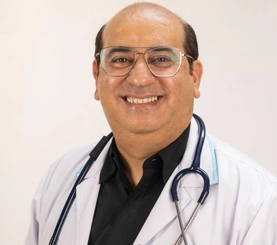
Dr. Yuvraj Monga offers online decision support for people considering PrEP in Thailand. Sessions help you understand whether PrEP suits you, which questions to ask your local provider, and how to fit it into your life. Your PrEP prescription and monitoring will come from a licensed provider in Thailand.
An Informed Choice Is a Confident Choice
PrEP is one of the most effective HIV prevention tools ever developed. Asking good questions before you start helps you use it well, stay protected and feel confident in your decision.
Frequently Asked Questions
Where can I get PrEP in Thailand?
PrEP is available at many hospitals, community-led clinics and specialist centres such as the Thai Red Cross Anonymous Clinic in Bangkok. Thai citizens may access it through public health schemes; foreign residents usually pay privately.
How quickly does PrEP start working?
It depends on the regimen and type of sex. Protection for receptive vaginal sex takes longer to build with daily PrEP than for anal sex. Your provider will explain the timing for your situation.
Can I stop PrEP whenever I want?
You can stop, but there's a correct way to do it based on your last possible exposure. Ask your provider before stopping.
Related Reading
- Starting PrEP before a Thailand trip
- Daily versus on-demand PrEP
- PrEP side effects for first-time users
- PEP versus PrEP
- HIV counselling for LGBTQ+ people
- Who should consider PrEP
Medical note: This article is for education and does not replace a personal consultation. If your exposure happened within the last 72 hours, seek PEP immediately at the nearest hospital or contact a specialist. If you are having thoughts of harming yourself, call Tele-MANAS on 14416 in India, the Mental Health Hotline 1323 in Thailand, or your local emergency number.