
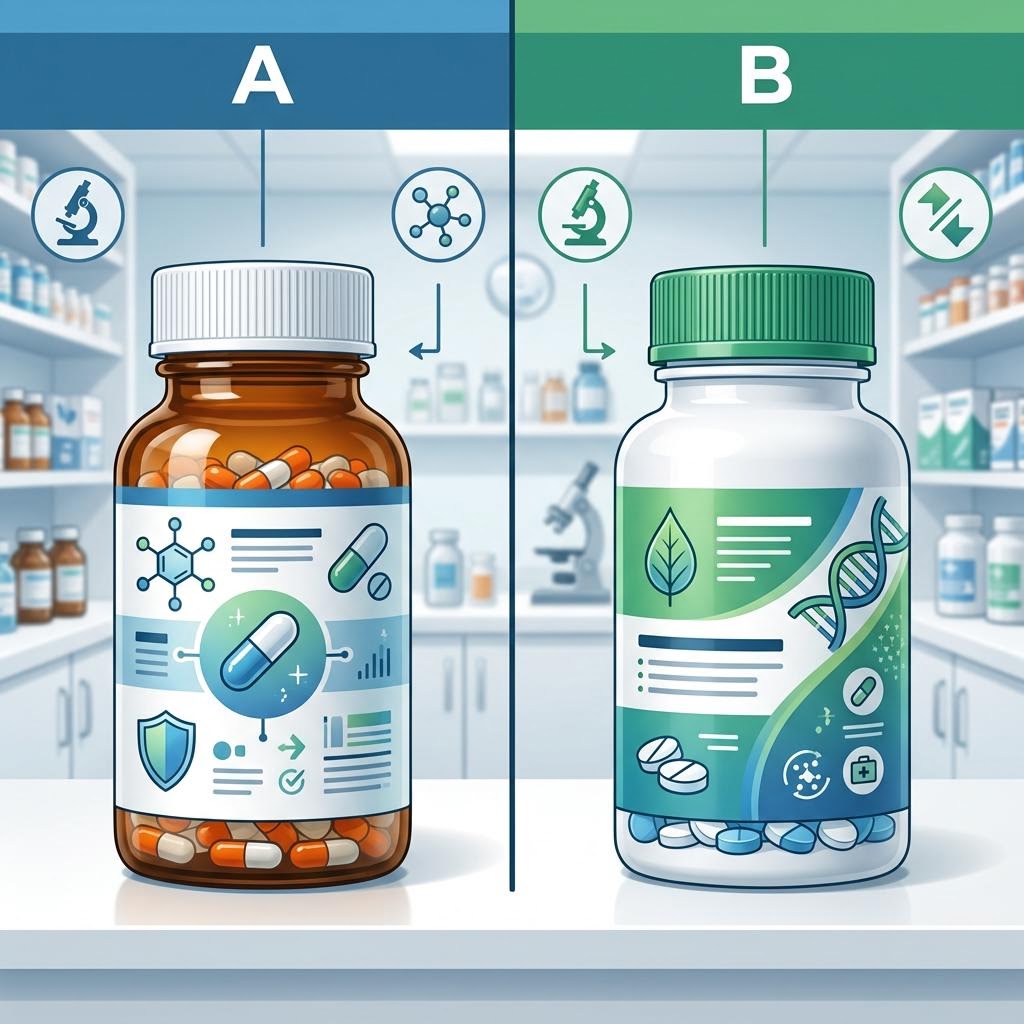
Two Medicines, One Goal: Zero New HIV Infections
Medical science now offers two powerful tools to prevent HIV infection even before a positive diagnosis: PEP and PrEP. They are both antiretroviral-based, they both work, and they are both widely misunderstood. The most important distinction is this: PEP is emergency medicine; PrEP is routine preventive medicine. Using the wrong one at the wrong time renders it ineffective.
What Is PEP?
PEP (Post-Exposure Prophylaxis) is a short-course emergency treatment taken after a potential HIV exposure has already occurred. "Post" means after. You take it reactively - when something has already gone wrong. PEP consists of a combination of 2-3 antiretroviral drugs taken every day for exactly 28 days. It must be started within 72 hours of exposure and works by blocking the virus from replicating and establishing itself in your body's immune cells.
Key facts about PEP:
- Started after a high-risk event (unprotected sex, needlestick, condom failure)
- Must begin within 72 hours - the sooner the better
- Duration: exactly 28 days
- Over 98% effective when taken correctly
- Not meant for repeated or ongoing use
What Is PrEP?
PrEP (Pre-Exposure Prophylaxis) is a daily pill taken by HIV-negative individuals who are at ongoing, elevated risk of contracting HIV. "Pre" means before. You take it proactively - to prevent infection from any future exposure. The most common PrEP medication in India is Tenofovir + Emtricitabine (brand name: Truvada or its generics). When taken daily as prescribed, PrEP reduces the risk of HIV infection through sex by more than 99%.
Key facts about PrEP:
- Started before any exposure, as an ongoing daily medication
- Works only if taken consistently every day
- Duration: ongoing, for as long as you remain at risk
- Requires regular HIV testing every 3 months
- Ideal for people with multiple partners, serodiscordant couples, or injection drug users
Side-by-Side Comparison
| Feature | PEP | PrEP |
|---|---|---|
| Timing | After exposure | Before any exposure |
| Duration | 28 days | Ongoing (daily) |
| Purpose | Emergency treatment | Routine prevention |
| Start time | Within 72 hours | At least 7-21 days before risk |
| Effectiveness | >98% (if started early) | >99% (if taken daily) |
| Best for | One-off emergencies | Ongoing high-risk lifestyle |
Common Confusion and Mistakes
Mistake 1: Taking PEP repeatedly instead of switching to PrEP
If you have taken PEP two or more times in the past year, your doctor should be discussing PrEP with you. Repeated PEP use is a signal that your risk level is ongoing - and PrEP is a far better solution than emergency management every few months.
Mistake 2: Thinking PrEP works like PEP in an emergency
PrEP takes 7 days to reach effective levels in blood (for blood/injection exposure) and 21 days for rectal exposure. If you have just had an unprotected encounter with an HIV-positive person, PrEP started now will NOT protect you. You need PEP.
Mistake 3: Stopping PrEP and not switching to PEP during an emergency
If you stop taking PrEP and then have a high-risk exposure, the protection is gone. In that case, PEP is the correct response.
Which One Do You Need Right Now?
If something just happened in the last 72 hours - you need PEP. If you have an ongoing high-risk lifestyle and want daily protection - you need PrEP. If you are unsure, Dr. Yuvraj Monga provides confidential consultations to assess your situation and prescribe the exact medication that fits your life.
Get Expert Guidance Today
Dr. Yuvraj Monga specializes in both PEP and PrEP counseling. WhatsApp 9999219128 for a confidential consultation. PEP can be delivered to your door in 12-24 hours anywhere in India.