- Affirming care, without judgment about identity or relationships, improves health outcomes.
- Men who have sex with men face higher HIV risk, making prevention and testing especially important.
- Thailand has strong LGBTQ+-friendly HIV services, including community-led clinics.
- Counselling can address prevention, treatment, disclosure, chemsex and mental health.
Good HIV care starts with feeling safe enough to be honest. For gay, bisexual and queer people, that safety isn't always guaranteed. Past experiences of judgment, assumptions about relationships, or fear of being outed can make people hold back important details from healthcare providers, and that can affect the quality of care they receive.
This article explains what affirming HIV counselling looks like and how it can support LGBTQ+ people in Thailand.
Why Affirming Care Matters
When people feel judged, they're less likely to test regularly, disclose symptoms, use prevention or stay on treatment. Affirming care means providers respect your identity, relationships and sexual practices, ask questions without assumptions, and give advice based on your real life. This isn't just about kindness; it leads to better health.
The HIV Picture for Gay and Bisexual Men
Globally and in Thailand, men who have sex with men carry a higher burden of HIV. Partly this reflects biology, as receptive anal sex carries higher transmission risk, and partly the effects of stigma and barriers to care. That makes prevention, testing and treatment especially important. Read more about HIV risk for men who have sex with men.
Prevention Options
PrEP
PrEP is highly effective for gay and bisexual men. Both daily and event-based regimens may be options. See our questions to ask about PrEP in Thailand.
Condoms and lubricant
Condoms protect against HIV and other STDs. Water- or silicone-based lubricants reduce breakage and tissue damage.
PEP
If an exposure happens without protection, PEP within 72 hours can prevent HIV.
Regular testing
Testing for HIV and STDs every three to six months, depending on your situation, catches infections early. Throat and rectal swabs matter, because infections there are often symptom-free.
If You're Living With HIV
Treatment works the same regardless of sexuality. Reaching and maintaining an undetectable viral load protects your health and means you can't pass HIV to sexual partners. Counselling can support you with adherence, disclosure to partners, dating and family relationships.
Beyond HIV: Whole-Person Support
Mental health
LGBTQ+ people face higher rates of anxiety and depression, often linked to stigma, rejection or minority stress. HIV can add to that weight. Counselling offers space to address both.
Family and coming out
Some people navigate both coming out and HIV disclosure, sometimes at the same time. These are separate decisions, and counselling can help you approach each at your own pace.
Chemsex and substance use
Drug use during sex can increase HIV risk and disrupt treatment. Non-judgmental harm-reduction support helps. See our article on alcohol, chemsex and HIV support.
Relationships
Open relationships, mixed-status couples and dating apps all raise different questions about prevention and disclosure. There's no single right model, only what works safely for you and your partners.
LGBTQ+-Friendly Services in Thailand
Thailand has a strong network of LGBTQ+-friendly HIV services, including community-led clinics staffed by and for the community, especially in Bangkok, Pattaya and Chiang Mai. Many offer testing, PrEP and treatment linkage in a welcoming environment. Online counselling works well alongside these services.
Tips for Talking to Any Provider
- Say clearly which types of sex you have, so the right sites are tested.
- Ask directly about PrEP if it hasn't been offered.
- Bring a trusted friend if you're nervous about a new clinic.
- If you feel judged, it's okay to look for a different provider.
Being specific isn't oversharing; it helps your provider protect your health properly.
What to Expect From Our Counselling
- No assumptions about your identity, partners or relationships.
- Frank, practical conversations about sex and prevention.
- Strict confidentiality; we never contact anyone without permission.
- Sessions in English or Hindi, by chat, voice or video.
Our Approach
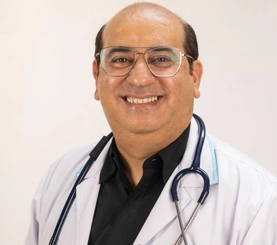
Dr. Yuvraj Monga provides affirming, confidential online HIV counselling for LGBTQ+ people in Thailand and beyond. Whether you're thinking about PrEP, worried after an exposure, newly diagnosed or living long-term with HIV, sessions are built around your life and your goals. Medical treatment continues with your Thai clinic.
You Deserve Care That Sees You
Your identity is not a risk factor; stigma and lack of access are. With affirming care, effective prevention and supportive counselling, LGBTQ+ people can protect their health and live fully, openly and well.
Frequently Asked Questions
Will I be judged for my sexuality or sexual practices?
No. Our approach is affirming and judgment-free. Honest information about your life helps us give accurate, useful advice.
Are there LGBTQ+-friendly HIV clinics in Thailand?
Yes. Thailand has community-led clinics and specialist services known for LGBTQ+-friendly care, particularly in Bangkok, Pattaya and Chiang Mai.
How often should I test for HIV and STDs?
Many sexually active gay and bisexual men are advised to test every three to six months, depending on partners and prevention methods. Your provider can tailor this.
Related Reading
- HIV risk for men who have sex with men
- Questions to ask about PrEP in Thailand
- Alcohol, chemsex and HIV support
- Support for transgender people
- Dating after diagnosis
- Disclosing to a partner
Medical note: This article is for education and does not replace a personal consultation. If your exposure happened within the last 72 hours, seek PEP immediately at the nearest hospital or contact a specialist. If you are having thoughts of harming yourself, call Tele-MANAS on 14416 in India, the Mental Health Hotline 1323 in Thailand, or your local emergency number.