- Alcohol and drugs can increase HIV and STD risk by lowering inhibition and extending sex.
- Substance use can disrupt HIV treatment and PrEP routines.
- Some recreational drugs can interact with HIV medicines.
- Harm reduction and confidential counselling support safer choices.
Alcohol and drugs are part of many people's social and sexual lives. For some, they're occasional; for others, they've become harder to control. When HIV is part of the picture, whether you're on PrEP, living with HIV, or worried after an exposure, substance use can affect your health in ways that are worth understanding.
This article takes a non-judgmental, practical approach. It's not about lecturing; it's about keeping you safe.
What Is Chemsex?
Chemsex refers to using certain drugs to enhance or prolong sex, often in group or extended sessions. It's most often discussed among gay, bisexual and other men who have sex with men, but it can affect anyone. Alcohol, while legal and common, can have similar effects on judgment and sexual decision-making.
How Substances Affect HIV Risk
- Lower inhibition: condoms and PrEP plans are easier to forget.
- Longer, rougher sex: more chance of tissue damage and bleeding.
- Multiple partners: higher exposure to HIV and STDs.
- Shared equipment: injecting or sharing other equipment can transmit blood-borne infections.
- Blurred memory: harder to assess risk or seek PEP afterwards.
How Substances Affect HIV Treatment and PrEP
Missed doses
Long sessions, hangovers and disrupted sleep make it easy to miss ART or PrEP doses. Over time, missed ART doses can lead to a detectable viral load and drug resistance. Our adherence tips offer strategies.
Drug interactions
Some recreational drugs interact with certain HIV medicines, particularly boosted regimens, which can raise drug levels unpredictably. Modern regimens often have fewer interactions, but it's important to tell your clinic what you use.
Liver strain
Heavy alcohol use can damage the liver, which also processes many medicines.
Harm Reduction: Practical Steps
Harm reduction means reducing risk without requiring you to stop completely. Steps that help include:
- Plan protection before going out: start PrEP if you're HIV-negative and at risk, and carry condoms and lubricant.
- Take your ART or PrEP dose before a session, and set a reminder for the next one.
- Never share needles, syringes or other equipment.
- Stay hydrated, eat, and take breaks.
- Avoid mixing substances, which increases unpredictable effects.
- Have a trusted friend who knows where you are.
- If protection failed, seek PEP within 72 hours.
Signs It May Be Time for Support
- Using more, or more often, than you intended.
- Missing work, medicine doses or appointments because of use.
- Feeling low, anxious or paranoid after sessions.
- Regretting sexual choices you made while using.
- Finding it hard to have sex without substances.
After a Session: A Quick Health Check
- Did I take my ART or PrEP dose on time?
- Was there any sex without protection I need to assess for PEP?
- Do I have any symptoms, such as discharge, sores or burning, that need STD testing?
- Am I sleeping, eating and drinking water?
Asking these questions the next day turns a risky night into a manageable one.
The Emotional Side
Substance use often connects to deeper feelings: loneliness, stigma, anxiety, past trauma or the stress of living with HIV. Counselling can help you explore these connections without judgment and find other ways to cope. Read about mental health and HIV.
Support in Thailand
Thailand has harm-reduction programmes, community-led sexual health clinics and LGBTQ+-friendly services that understand chemsex without judgment. Many offer testing, PrEP and referral to addiction support. Combining local services with online counselling can give you both practical care and a confidential space to talk.
A Note on Safety and the Law
Laws on recreational drugs in Thailand are strict, and penalties can be serious. This article focuses on health, not legal advice. If you have legal concerns, seek appropriate advice. Your conversations with us remain confidential and are focused on your health.
How Our Counselling Helps
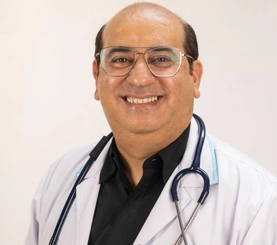
Dr. Yuvraj Monga offers confidential, non-judgmental online counselling for people whose alcohol or drug use affects their sexual health or HIV care. Sessions cover practical harm reduction, protecting treatment routines, assessing exposures and addressing the emotions that drive use. Where specialist addiction care is needed, he helps you find it.
Your Health Comes First
Substance use doesn't make you a bad person, and it doesn't disqualify you from good care. With honest conversations, practical harm reduction and support when you need it, you can protect your health and regain control on your own terms.
Frequently Asked Questions
Can I drink alcohol while taking HIV treatment?
Moderate drinking isn't usually dangerous with most regimens, but heavy drinking can harm the liver and make missed doses more likely. Discuss your drinking honestly with your clinic.
Do recreational drugs interact with HIV medicines?
Some do, particularly with older regimens or certain boosted medicines, which can raise drug levels unpredictably. Tell your clinic what you use so they can advise safely.
Will you judge me or report me for drug use?
No. Our counselling is confidential and non-judgmental. The focus is on your health and safety.
Related Reading
- Staying on track with HIV medication
- Sharing needles and HIV risk
- Alcohol and PEP
- Affirming counselling for LGBTQ+ people
- PrEP questions to ask
- Mental health and HIV
Medical note: This article is for education and does not replace a personal consultation. If your exposure happened within the last 72 hours, seek PEP immediately at the nearest hospital or contact a specialist. If you are having thoughts of harming yourself, call Tele-MANAS on 14416 in India, the Mental Health Hotline 1323 in Thailand, or your local emergency number.