- PrEP is an HIV prevention medicine taken before possible exposure.
- It needs a doctor's prescription and a few baseline tests, including an HIV test.
- Daily PrEP needs time to build up protection, so start well before you travel.
- PrEP does not protect against other STDs, so condoms still matter.
Most people only think about HIV after something has gone wrong. PrEP flips that around. It allows you to protect yourself before a possible exposure, which means fewer emergencies, fewer anxious weeks and far more peace of mind. If you're planning a trip to Thailand and expect you may have sex with new partners, PrEP is worth a serious conversation with your doctor.
What Is PrEP?
Pre-Exposure Prophylaxis (PrEP) is an antiretroviral medicine taken by HIV-negative people to prevent HIV infection. Taken correctly, it is highly effective at preventing sexual transmission. The most common form is a daily tablet, and longer-acting options are being introduced in some countries.
PrEP is different from PEP. PrEP is planned prevention before exposure; PEP is an emergency course after exposure. Our guide on the key differences between PEP and PrEP compares them in detail.
Who Should Consider PrEP for Travel?
PrEP may suit you if any of these apply:
- You expect to have sex with new or casual partners during the trip.
- You don't always use condoms, or you have had condom failures before.
- You have needed PEP in the past.
- You are a man who has sex with men, or a transgender person, with partners of unknown status.
- You simply want strong, planned protection instead of relying on luck.
Step 1: Consult a Doctor
PrEP is a prescription medicine. A doctor will ask about your health, other medicines, and your expected sexual activity, then choose the right regimen. Online consultation makes this simple and private, even if you live far from a specialist.
Step 2: Complete the Baseline Tests
Before starting PrEP, you will usually need:
- An HIV test, to confirm you are HIV-negative. Starting PrEP while already infected can lead to drug resistance.
- A kidney function test (creatinine), because some PrEP medicines are processed by the kidneys.
- Hepatitis B screening, as certain PrEP medicines also affect hepatitis B.
- STD screening, recommended as part of good sexual health care.
Step 3: Start Early Enough
Daily PrEP needs time to reach protective levels in the body. The time required depends on the type of sex; for vaginal sex it can take up to about three weeks of daily dosing. That's why we advise starting at least three weeks before departure, or as your doctor directs. Don't start PrEP on the flight and assume you're protected on the first night.
Step 4: Take It Consistently
PrEP only works when it's taken correctly. Set a daily alarm, keep tablets in your daily bag, and remember that Thailand is 1.5 hours ahead of India, so adjust your reminder. If you miss doses before an exposure, contact a doctor to discuss whether PEP is needed.
Step 5: Plan the End of the Trip
Don't stop PrEP abruptly when the flight lands. Your doctor will tell you how long to continue after your last possible exposure. A post-trip HIV and STD check completes the plan.
Side Effects and Safety
Most people tolerate PrEP well. Some notice mild nausea, headache or stomach upset in the first few weeks, which usually settles. Doctors monitor kidney function during longer-term use. Read about PrEP side effects for first-time users for more detail.
What PrEP Does Not Do
PrEP does not protect against gonorrhoea, chlamydia, syphilis, herpes or hepatitis C. Condoms remain the best protection against these infections, and regular STD testing remains important.
How the EXACT Program Handles PrEP
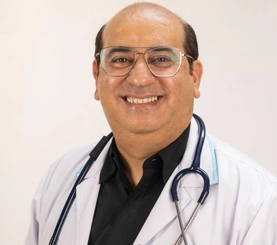
Within our EXACT program, Dr. Yuvraj Monga assesses whether PrEP suits you, arranges the baseline tests through a lab near you, prescribes the right regimen and plans your post-trip check. Everything happens online from India, privately.
If you prefer not to take PrEP, we'll help you build an alternative plan, including condoms, vaccinations and knowing exactly where to get PEP in Thailand if needed.
Prevention Is the Calmest Option
An emergency after the fact is stressful. Planned prevention is calm. If you expect your Thailand trip may involve new partners, a short PrEP consultation now can save you weeks of worry later.
Frequently Asked Questions
Is PrEP available in India?
Yes. PrEP is available in India with a specialist's prescription and through some community programmes. National guidelines exist, though public-sector access is still limited, so most travelers obtain it privately.
Can I take PrEP only for the days I travel?
Some regimens are designed for event-based use, but they suit only certain groups and situations. A doctor will advise whether daily or another regimen is appropriate for you.
What's the difference between PrEP and PEP?
PrEP is taken before a possible exposure to prevent HIV. PEP is an emergency course started within 72 hours after an exposure. If you are on PrEP and miss doses before an exposure, contact a doctor about PEP.
Related Reading
- The key differences between PEP and PrEP
- Daily versus on-demand PrEP
- PrEP side effects for first-time users
- Who should consider PrEP instead of PEP
- A sexual health guide for Thailand travelers
- Switching from PEP to PrEP
Medical note: This article is for education and does not replace a personal consultation. If your exposure happened within the last 72 hours, seek PEP immediately at the nearest hospital or contact a specialist. If you are having thoughts of harming yourself, call Tele-MANAS on 14416 in India, the Mental Health Hotline 1323 in Thailand, or your local emergency number.