
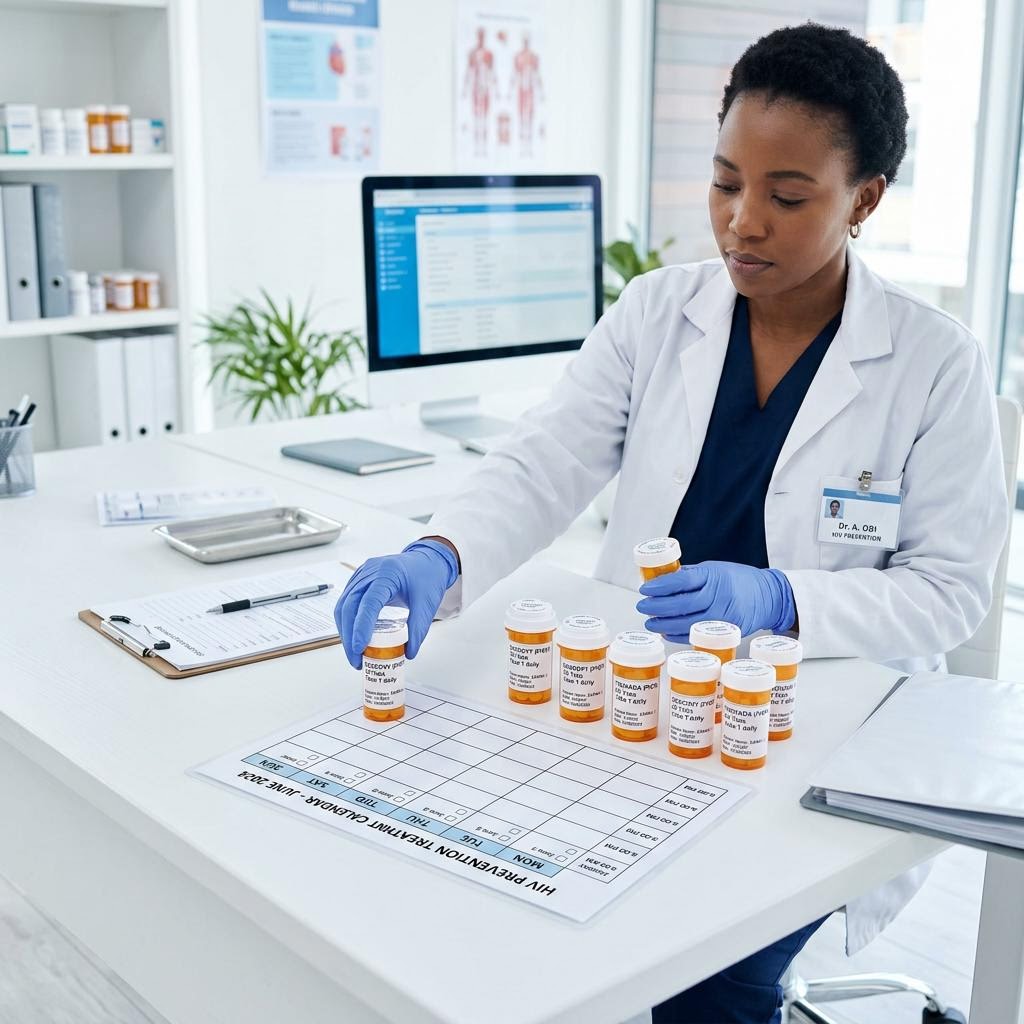
Understanding the Transition
If you've just completed a 28-day course of PEP (Post-Exposure Prophylaxis) and realize you need ongoing protection rather than emergency response, you're not alone. Many patients discover during PEP treatment that their risk of future HIV exposure is ongoing-making PrEP (Pre-Exposure Prophylaxis) a better long-term solution.
The good news: transitioning from PEP to PrEP is medically straightforward, often involves the same medication, and can happen immediately after completing PEP.
Why Make the Switch?
PEP Is for Emergencies, PrEP Is for Ongoing Protection
PEP is designed for one-time or occasional exposures-it's the emergency brake. If you find yourself in situations where HIV exposure is a recurring possibility, PrEP provides continuous protection without the stress and urgency of emergency treatment.
Consider switching from PEP to PrEP if:
- This isn't your first PEP course
- Your relationship or sexual practices involve ongoing risk
- You want to eliminate the anxiety of wondering whether each sexual encounter requires emergency medication
- You're in a serodiscordant relationship (one partner HIV-positive, one HIV-negative)
- Condom use is inconsistent in your sexual encounters
The Medical Process of Switching
Step 1: Complete Your Full PEP Course
It's critical to finish all 28 days of PEP, even if you've decided to transition to PrEP. Stopping PEP early can compromise protection from your initial exposure. Missing doses or ending treatment prematurely increases your risk of HIV infection from that exposure.
Continue taking PEP exactly as prescribed-one pill daily-until you've completed the full month.
Step 2: HIV Testing After PEP
Before starting PrEP, you must confirm your HIV status is negative. Standard protocol involves HIV testing at the end of your PEP course (day 28) and again at 3 months post-exposure for final confirmation.
However, many providers will initiate PrEP immediately after the 28-day test if it's negative, with the understanding that you'll complete the 3-month follow-up test as well.
Step 3: Begin PrEP Immediately
There's no waiting period required between finishing PEP and starting PrEP. In fact, because the medications are often identical (both PEP and PrEP commonly use Tenofovir/Emtricitabine), you can start PrEP the very next day after your last PEP dose.
This seamless transition ensures no gap in protection, particularly important if you're sexually active during this period.
Step 4: Establish PrEP Routine and Monitoring
Unlike PEP, which is a 28-day course, PrEP is ongoing. You'll need:
- Daily medication adherence (or on-demand dosing if appropriate for your situation)
- Follow-up appointments every 3 months
- Regular HIV testing
- Kidney function monitoring
- STI screening
- Prescription refills
Is the Medication the Same?
In most cases, yes. Both PEP and PrEP typically use the same medication: a combination of Tenofovir and Emtricitabine (branded as Truvada or available as generic equivalents). The pill you took for PEP is likely the same one you'll take for PrEP-the difference is the duration and purpose.
PEP is short-term emergency treatment. PrEP is long-term prevention. Same medication, different strategy.
In some cases, PEP regimens include a third drug (often Dolutegravir or Raltegravir) for added potency during emergency treatment. When transitioning to PrEP, you'll switch to the two-drug combination alone, which is sufficient for prevention.
What About Side Effects?
If you tolerated PEP well, you'll likely tolerate PrEP just as well since it's the same medication. Any start-up side effects (mild nausea, headache, fatigue) that you experienced during the first week of PEP won't recur when transitioning to PrEP-your body has already adjusted.
If you had significant side effects during PEP, discuss this with your provider. There may be strategies to minimize symptoms (taking the pill with food, adjusting timing, switching formulations) or, in rare cases, alternative PrEP medications.
Cost and Access Considerations
In India, generic Tenofovir/Emtricitabine is widely available and affordable. While PEP is often provided as a short-term emergency supply, PrEP requires ongoing prescriptions.
Dr. Yuvraj Monga's practice ensures uninterrupted access to PrEP medication through reliable all-India delivery, typically within 12-24 hours. This is crucial-gaps in PrEP can reduce protection levels, particularly for receptive anal sex.
Many patients find that while PrEP requires ongoing cost, it's far more economical than repeated PEP courses, each of which involves emergency consultations, comprehensive testing, and 28-day medication supply.
Building Your PrEP Routine
Transitioning from the urgency of PEP to the routine of PrEP requires a mindset shift. PEP feels immediate and crisis-driven-you're hyper-aware of taking it. PrEP needs to become as automatic as brushing your teeth.
Strategies for daily PrEP adherence:
- Link your dose to an existing daily habit (morning coffee, toothbrushing, bedtime)
- Set a daily phone alarm
- Use a pill organizer to track whether you've taken today's dose
- Keep your medication visible (bathroom counter, nightstand) rather than hidden away
- Refill prescriptions before you run out-don't wait until you're down to your last few pills
When to Have the Conversation
The ideal time to discuss transitioning to PrEP is during your PEP follow-up appointments. If you started PEP with Dr. Yuvraj Monga or another provider, your follow-up visit at day 28 is the perfect opportunity to raise this topic.
However, you don't have to wait. If you realize during your PEP course that ongoing protection makes sense, contact your provider early. They can coordinate testing and prescriptions so you can start PrEP seamlessly when PEP ends.
What If You're Not Sure You Need PrEP?
It's normal to feel uncertain. You might think: "This was just one incident. I don't need ongoing medication."
Consider these questions:
- How likely is it that you'll be in a similar situation again?
- Do you have regular sexual partners whose HIV status you're uncertain about?
- Is condom use consistent and reliable in your sexual encounters?
- Would you feel more secure and less anxious with continuous protection?
PrEP isn't a lifelong commitment. You can take PrEP for as long as you need it and stop when your risk situation changes (always in consultation with your provider). Many people use PrEP for specific periods-during a relationship, while traveling, or during phases of life when sexual activity is more frequent.
Confidentiality and Privacy
Just as with PEP, PrEP care is completely confidential. Medications are delivered in unmarked packaging, and no communication from the clinic will disclose the nature of your treatment.
Your decision to protect your health is personal and private. Dr. Monga's practice is built on absolute discretion and judgment-free care.
Moving Forward
Completing a PEP course is an accomplishment-you took control of your health in an emergency. Transitioning to PrEP is the next step in that same proactive approach.
Instead of living in cycles of anxiety and emergency response, PrEP offers consistent peace of mind. You deserve to enjoy intimacy without fear, and to manage your sexual health with the same care you give to any other aspect of your wellbeing.
If you're finishing a PEP course and wondering what comes next, reach out. A brief consultation can help you understand whether PrEP is right for your situation and how to make the transition smoothly.
Your health is worth protecting-not just in emergencies, but every day.