- An HIV diagnosis today is the start of manageable, long-term care, not a death sentence.
- Confirm the diagnosis and get linked to an HIV clinic as soon as possible.
- Thailand offers rapid treatment start, and Thai citizens can access ART through public health schemes.
- Emotional support in the first weeks makes a real difference.
Hearing the words "your HIV test is positive" can make the room go silent. Some people feel numb, others cry, panic or feel nothing at all. Every one of those reactions is normal. What matters now is knowing that HIV in 2026 is a manageable, long-term condition, and that the first 30 days are about taking a few clear steps, one at a time.
This guide is written for anyone recently diagnosed in Thailand, whether you're a Thai resident, an expat or a visitor.
Days 1 to 3: Pause, Breathe and Confirm
Give yourself a moment
You don't need to make every decision today. It's okay to take a day to absorb the news. Avoid searching worst-case stories online; many describe HIV as it was decades ago, before modern treatment.
Make sure the diagnosis is confirmed
A single reactive rapid test is a screening result. Clinics confirm HIV with additional laboratory tests. If you haven't had a confirmatory test, ask for one. Our article on how to read your HIV test report explains the terms.
Choose where you'll be treated
Thailand has many experienced HIV services, including public hospitals, private hospitals and specialist centres such as the Thai Red Cross Anonymous Clinic in Bangkok. Our checklist for choosing an HIV clinic in Thailand can help.
Week 1: Baseline Tests
Your clinic will run tests to understand your health before treatment. These typically include:
- CD4 count, which shows how strong your immune system is.
- Viral load, which measures how much HIV is in your blood.
- Kidney and liver function, to choose safe medicines.
- Hepatitis B and C, syphilis and tuberculosis screening, as advised.
Learn what these numbers mean in our guide to CD4 count and viral load tests.
Weeks 1 to 2: Starting Treatment
Current guidelines recommend starting antiretroviral therapy (ART) as soon as possible after diagnosis, and many Thai clinics offer same-day or rapid starts. Modern first-line treatment is often a single tablet taken once a day.
The goal is an undetectable viral load, usually reached within a few months. At that point, HIV can't damage your immune system, and you can't pass HIV to sexual partners. This principle is known as U=U: Undetectable equals Untransmittable.
Weeks 2 to 4: Building a Routine
Take your medicine at the same time every day
Link it to a daily habit, such as brushing your teeth, and set a phone alarm. Our adherence tips offer practical ideas.
Watch for side effects
Many people have none. Some notice mild nausea, headache or sleep changes in the first weeks, which usually settle. Report anything worrying to your clinic.
Look after your body
Eat regular meals, stay active, limit alcohol and avoid smoking. These habits support your immune system and your mood.
Looking After Your Mind
A diagnosis affects more than the body. It's common to feel shock, guilt, anger, fear about relationships or worry about the future. These feelings usually ease over weeks and months, especially with support. If you feel persistently low, hopeless or unable to function, please seek help. In Thailand, the Mental Health Hotline 1323 is available. Read more in our article on depression and anxiety after diagnosis.
Partners and Disclosure
Recent sexual partners may need testing. Your clinic can help with partner notification, sometimes without revealing your identity. Deciding whom to tell in your personal life is a separate, personal choice, and there's no need to rush it. Until your viral load is undetectable, use condoms to protect partners.
Practical Matters
- Thai citizens can access ART through national health schemes.
- Foreign residents usually pay privately or through insurance; ask your clinic and insurer about cover.
- Keep copies of all reports and prescriptions in a secure place.
How Our Counselling Helps in the First Month
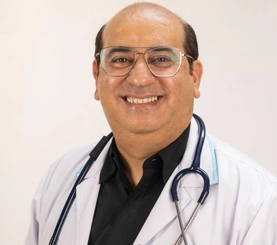
The first weeks after diagnosis raise more questions than any clinic visit can answer. Dr. Yuvraj Monga offers private online counselling to help you understand your results, prepare for treatment, cope emotionally and plan conversations with partners or family. Your treatment stays with your Thai clinic; counselling helps you navigate it.
You Will Get Through This
Thirty days from now, most people are on treatment, understand their results better and feel steadier than they did on day one. Take it one step at a time, and let others help you carry the load.
Frequently Asked Questions
Will I die from HIV?
With effective treatment, people with HIV can expect a near-normal life expectancy. The key is starting treatment and taking it consistently.
Do I have to tell my employer about my diagnosis?
Generally, no. Your HIV status is private medical information. Disclosure at work is usually your choice, and counselling can help you think it through.
Is HIV treatment free in Thailand?
Thai citizens can access antiretroviral treatment through national health schemes. Foreign residents usually pay privately or through insurance. Your clinic can explain the options for your situation.
Related Reading
- Getting ready to start ART
- Coping with depression and anxiety after diagnosis
- Choosing an HIV clinic in Thailand
- CD4 count and viral load tests
- How HIV treatment has changed
- Living a long, healthy life with HIV
Medical note: This article is for education and does not replace a personal consultation. If your exposure happened within the last 72 hours, seek PEP immediately at the nearest hospital or contact a specialist. If you are having thoughts of harming yourself, call Tele-MANAS on 14416 in India, the Mental Health Hotline 1323 in Thailand, or your local emergency number.