- Your HIV clinic is a long-term partner, so choose carefully.
- Look for experience, privacy, clear communication and affordable access.
- Thailand offers public hospitals, private hospitals and community-led clinics.
- It's fine to change clinics if one doesn't feel right.
HIV care is long-term care. The clinic you choose will be part of your life for years: monitoring your treatment, answering your questions and supporting you through changes. In Thailand, you have many options, from large public hospitals to private international hospitals and community-led clinics. This checklist helps you decide which is right for you.
Types of HIV Services in Thailand
Public hospitals
Most provincial and university hospitals have HIV clinics. Thai citizens can usually access treatment through national health schemes. Waiting times can be longer, and English may be limited in some places.
Private hospitals
Private hospitals in Bangkok, Chiang Mai, Phuket and Pattaya often have international patient departments, English-speaking doctors and shorter waits. Costs are higher, so check insurance cover.
Specialist and community-led clinics
Centres such as the Thai Red Cross Anonymous Clinic in Bangkok and community-led clinics offer testing, PrEP and treatment, often with strong LGBTQ+ and trans-friendly approaches.
The Checklist
1. HIV expertise
- Does the clinic have doctors experienced in HIV care?
- Are viral load, CD4 and other key tests available on-site or nearby?
- Can they manage related conditions, such as tuberculosis or hepatitis?
2. Privacy and respect
- How are records stored and who can access them?
- Is the HIV service discreet, or clearly labelled in public areas?
- Do staff treat patients without judgment?
See our guide on protecting your privacy in Thailand.
3. Communication
- Can you discuss your care in a language you understand?
- Do doctors explain results and give written summaries?
- Can you contact the clinic between visits with questions?
4. Access and convenience
- Is the clinic easy to reach from home or work?
- Do opening hours fit your schedule?
- How long are typical waits?
5. Cost and medicine supply
- Are you eligible for public cover, or will you pay privately?
- Does your insurance cover visits, tests and medicines?
- Are generic medicines available?
- How many months' supply can you receive at once?
6. Inclusive care
- Is the clinic welcoming to LGBTQ+ and transgender patients?
- Can they coordinate with gender-affirming or antenatal care if needed?
7. Support services
- Is counselling or peer support available?
- Can they help with partner notification and testing?
Red Flags to Watch For
- Pressure to buy expensive supplements or "cures".
- Unwillingness to share your test results or explain treatment.
- Breaches of confidentiality or careless handling of your information.
- Judgmental comments about your sexuality, lifestyle or how you acquired HIV.
Our article on red flags when choosing a clinic has more examples.
Questions to Ask at Your First Visit
- How often will I need check-ups and blood tests?
- What medicines do you recommend, and why?
- Who do I contact if I have side effects?
- How do I get refills, and what happens if I travel?
- How are my records kept confidential?
Switching Clinics
If your clinic doesn't feel right, you can change. Before switching, request copies of your records, arrange enough medicine to cover the transition and book your first appointment at the new clinic. Never stop treatment while changing providers.
A Simple Way to Compare
Write down two or three clinics you're considering and score each from one to five on expertise, privacy, communication, access and cost. The highest score isn't always the winner; one factor, such as privacy or language, may matter more to you than the rest. Trust your experience after a first visit, too: how you were greeted, how clearly things were explained, and whether you'd feel comfortable returning.
City-by-City Considerations
Bangkok has the widest choice, including specialist centres and international hospitals. Chiang Mai has strong university and public hospital HIV services. Phuket and Pattaya offer private hospitals used to treating international patients. Smaller provinces usually rely on provincial hospitals with established HIV clinics.
How Counselling Helps
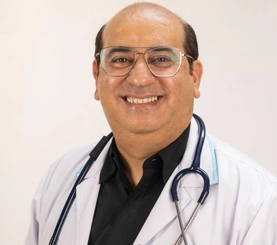
Dr. Yuvraj Monga can help you think through your clinic options, prepare questions and interpret the information clinics give you. He doesn't replace your Thai clinic, but he can help you find one that suits you and make the most of every visit.
The Right Clinic Makes Life Easier
A good HIV clinic feels like a partner in your health: knowledgeable, respectful and accessible. Take time to choose, ask questions, and remember you can always change if your needs evolve.
Frequently Asked Questions
Are public or private clinics better for HIV care in Thailand?
Both can provide excellent care. Public hospitals are often more affordable, especially for Thai citizens under national schemes, while private hospitals may offer shorter waits and more English-speaking staff.
Can I change HIV clinics later?
Yes. Ask for copies of your records and test results, and arrange your medicine supply before switching so treatment isn't interrupted.
What should I bring to my first clinic visit?
Bring ID, any previous test results, a list of current medicines and your questions. If you're switching clinics, bring your treatment history.
Related Reading
- The first 30 days after diagnosis
- Support for expats in Thailand
- Moving to Thailand with HIV
- Red flags when choosing a clinic
- Trans-friendly care
- LGBTQ+-friendly services
Medical note: This article is for education and does not replace a personal consultation. If your exposure happened within the last 72 hours, seek PEP immediately at the nearest hospital or contact a specialist. If you are having thoughts of harming yourself, call Tele-MANAS on 14416 in India, the Mental Health Hotline 1323 in Thailand, or your local emergency number.