- With effective treatment, the risk of passing HIV to a baby can be reduced to very low levels.
- An undetectable viral load before conception is the most important step.
- Thailand was validated by WHO for eliminating mother-to-child HIV transmission in 2016.
- Mixed-status couples can conceive safely with medical guidance.
For many people living with HIV, the question "Can I have children?" carries years of quiet worry. The answer, today, is a confident yes. With effective treatment and good care, people living with HIV can conceive safely and have healthy babies who are HIV-negative. Thailand is a global example of what's possible.
Thailand's Remarkable Success
In 2016, Thailand became the first country in Asia to be validated by the World Health Organization for eliminating mother-to-child transmission of HIV and syphilis. This reflects strong antenatal testing, treatment for pregnant women and care for newborns. If you're planning a pregnancy in Thailand, you can benefit from this experienced system.
Step 1: Plan Ahead
The most important step happens before pregnancy: reaching and maintaining an undetectable viral load on antiretroviral therapy. This protects both a partner during conception and the baby during pregnancy and birth. Talk to your HIV clinic about your plans so they can:
- Check your viral load and CD4 count.
- Review your HIV medicines for pregnancy safety.
- Screen for other infections, such as syphilis and hepatitis B.
- Advise on folic acid and general preconception health.
Conceiving Safely
If the woman is living with HIV
With an undetectable viral load, natural conception does not pose a risk of sexual transmission to an HIV-negative male partner. Your care team will continue your treatment throughout pregnancy.
If the man is living with HIV
With an undetectable viral load, natural conception does not transmit HIV to a female partner. Some couples also choose PrEP for the HIV-negative partner for additional reassurance, especially if viral load monitoring is irregular. Read more in our article on PrEP for mixed-status couples.
If both partners are living with HIV
Both partners staying undetectable protects each other's health and the baby.
Fertility clinics can offer additional options where needed. Our article on HIV testing before IVF explains the process in a fertility setting.
During Pregnancy
- Continue ART every day without interruption.
- Attend all antenatal appointments and viral load checks.
- Inform your antenatal team about your HIV status so care is coordinated.
- Report any side effects or difficulties taking medicine.
If you're diagnosed with HIV during pregnancy, start treatment as soon as possible. Even starting later in pregnancy greatly reduces the risk to the baby. See our guide on HIV testing during pregnancy.
Birth and Afterwards
Your team will plan the safest delivery method based on your viral load near the due date. Many women with undetectable viral loads can have a vaginal birth. After birth, babies receive preventive HIV medicine for a period and are tested at set intervals to confirm they're HIV-negative.
Feeding Your Baby
Infant feeding recommendations for mothers living with HIV vary by country. In Thailand, formula feeding is generally supported for mothers living with HIV. Discuss your options and any concerns with your care team before the birth.
The Emotional Journey
Pregnancy brings joy and worry for everyone, and HIV can add extra layers: fear of passing HIV on, worries about disclosure to family or in-laws, and anxiety about the baby's test results. These feelings are normal. Counselling can help you prepare for conversations, cope with waiting periods and enjoy the pregnancy.
Family and In-Law Expectations
In many families, pregnancy brings relatives closer, with visits, advice and questions. If you haven't disclosed your HIV status, you may worry about medicines being noticed or questions about feeding. Planning simple, honest-but-private answers in advance can reduce stress during an already busy time.
Questions to Ask Your Care Team
- Is my viral load low enough to try for a baby?
- Are my current medicines safe in pregnancy?
- Should my partner consider PrEP?
- What tests will my baby need, and when?
- What feeding plan do you recommend?
How Counselling Helps
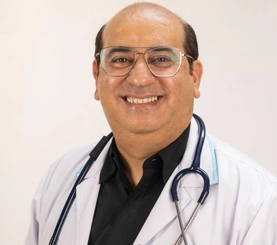
Dr. Yuvraj Monga offers online family-planning counselling for people living with HIV and mixed-status couples. Sessions cover conception planning, partner protection, emotional preparation and questions to bring to your Thai antenatal and HIV teams, who provide your medical care.
A Family Is Within Reach
HIV no longer stands between you and parenthood. With planning, consistent treatment and coordinated care, you can look forward to a healthy pregnancy and a healthy, HIV-negative child.
Frequently Asked Questions
Can I have a baby without HIV if I'm HIV-positive?
Yes. With effective ART and good antenatal care, the vast majority of babies born to mothers living with HIV are HIV-negative.
Is my HIV medicine safe during pregnancy?
Many HIV medicines are considered safe in pregnancy. Your doctor will review your regimen, ideally before you conceive.
Can I breastfeed if I'm living with HIV?
Recommendations vary by country and situation. In Thailand, mothers living with HIV are generally supported to use formula feeding. Discuss feeding plans with your care team.
Related Reading
- Counselling for mixed-status couples
- HIV testing during pregnancy
- HIV testing for couples trying to conceive
- PrEP for mixed-status couples
- Starting ART
- HIV testing before IVF
Medical note: This article is for education and does not replace a personal consultation. If your exposure happened within the last 72 hours, seek PEP immediately at the nearest hospital or contact a specialist. If you are having thoughts of harming yourself, call Tele-MANAS on 14416 in India, the Mental Health Hotline 1323 in Thailand, or your local emergency number.