You Have 72 Hours - Every Minute Counts
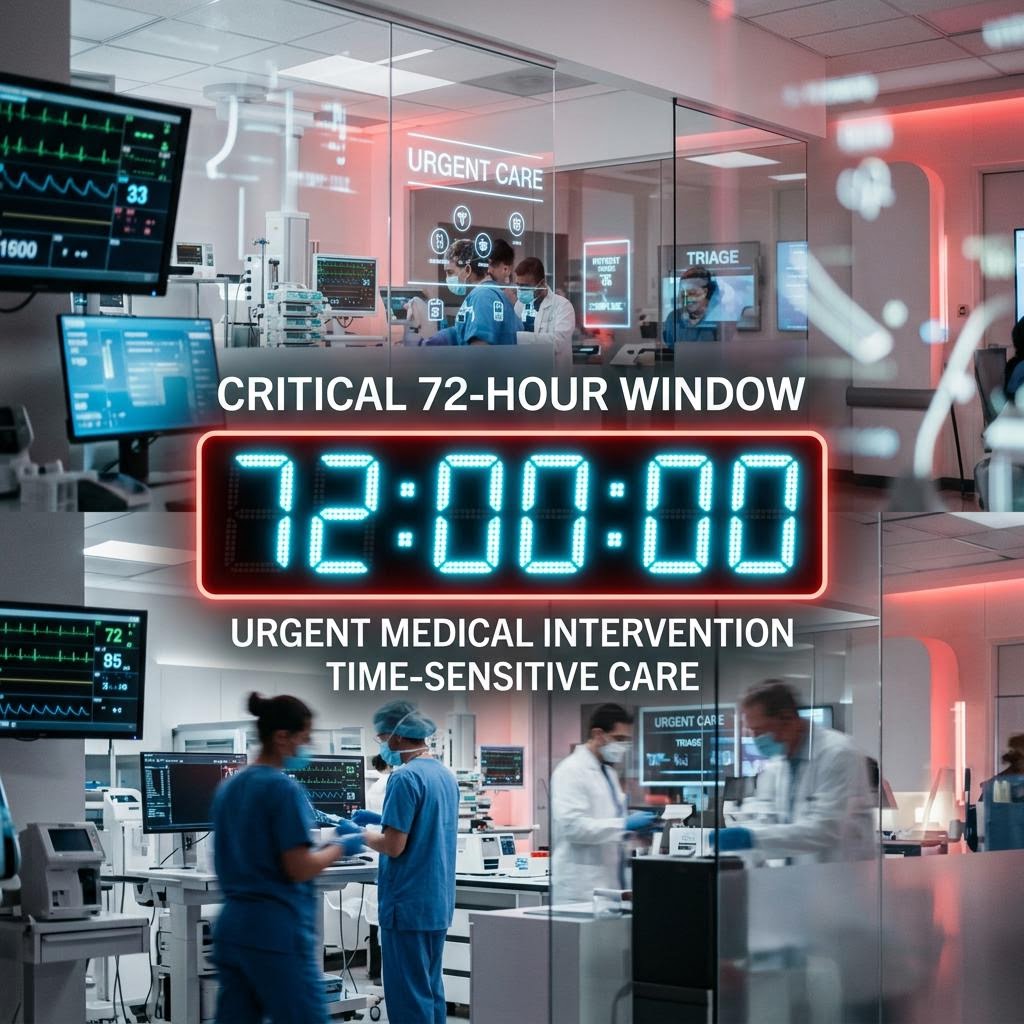
If you believe you have been exposed to HIV, the most important thing to know is this: Do not panic, but act immediately. Medical science has advanced significantly, and an HIV exposure is no longer a guaranteed infection. However, time is your most critical asset. You have a maximum window of 72 hours to start preventive treatment, known as PEP.
What Counts as a Possible HIV Exposure?
An exposure occurs when infected bodily fluids (blood, semen, vaginal fluids, or breast milk) come into contact with a mucous membrane or damaged tissue. Common high-risk situations include:
- Unprotected sexual intercourse
- Condom failure (slipping or breaking) during sex
- Needle sharing or accidental needlestick injuries
- Sexual assault
The 72-Hour Rule: Why Timing is Everything
Post-Exposure Prophylaxis (PEP) is an emergency medical treatment consisting of antiretroviral drugs. When taken within 72 hours of exposure, PEP stops the HIV virus from replicating and establishing a permanent infection in your body. The sooner you start, the more effective it is. Starting within 24 hours is significantly better than starting at 70 hours.
Step-by-Step: What to Do
In the First Hour
If the exposure involved a needlestick or open wound, wash the area thoroughly with soap and water. Do not scrub harshly or squeeze the wound to bleed. If the exposure was sexual, wash yourself gently with water.
In the First 6 Hours
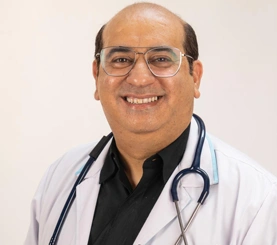
Contact a specialist immediately. Do not wait for regular clinic hours if it means significant delay. Dr. Yuvraj Monga provides emergency consultations and rapid medication delivery across India specifically for these situations.
Within 24-72 Hours
You must have the medication in hand and take your first dose. Once started, the treatment lasts for a strict 28 days without missing a dose.
Common Mistakes to Avoid
Waiting for symptoms: HIV does not show symptoms immediately. If you wait to feel sick, it is too late to prevent the infection. Ignoring it out of fear: Fear and stigma cause fatal delays. Our consultation is 100% confidential. Home remedies: No home remedy can kill HIV. Only clinically proven antiretroviral therapy works.
What to Tell Your Doctor
Be completely honest about the nature of the exposure, the timing, and your medical history. Your doctor is not there to judge you; they need accurate information to assess your risk level (high vs. low) and prescribe the correct drug regimen.
What Happens After 72 Hours?
If more than 72 hours have passed, PEP is generally no longer effective, as the virus has likely established itself in the body's reservoirs. In this case, you will need to wait for the window period to pass and get tested. If positive, you will begin lifelong ART (Antiretroviral Therapy).
Emergency Action Required
If you are within the 72-hour window, do not wait. Contact Dr. Yuvraj Monga immediately for a confidential consultation and rapid 12-24 hour PEP delivery anywhere in India.