Have you been wondering, “Can Waxing or Threading at a Parlour Transmit HIV?”?
Short answer
Waxing and threading do not usually transmit HIV. Redness, small bumps, or a little spotting after hair removal are commonly caused by friction or irritated follicles, not HIV. A meaningful blood exposure would require fresh blood from another person to reach a deep, open wound through reused equipment. Clean applicators, fresh thread, hand hygiene, and not waxing broken skin are sensible salon standards.
Why the context matters
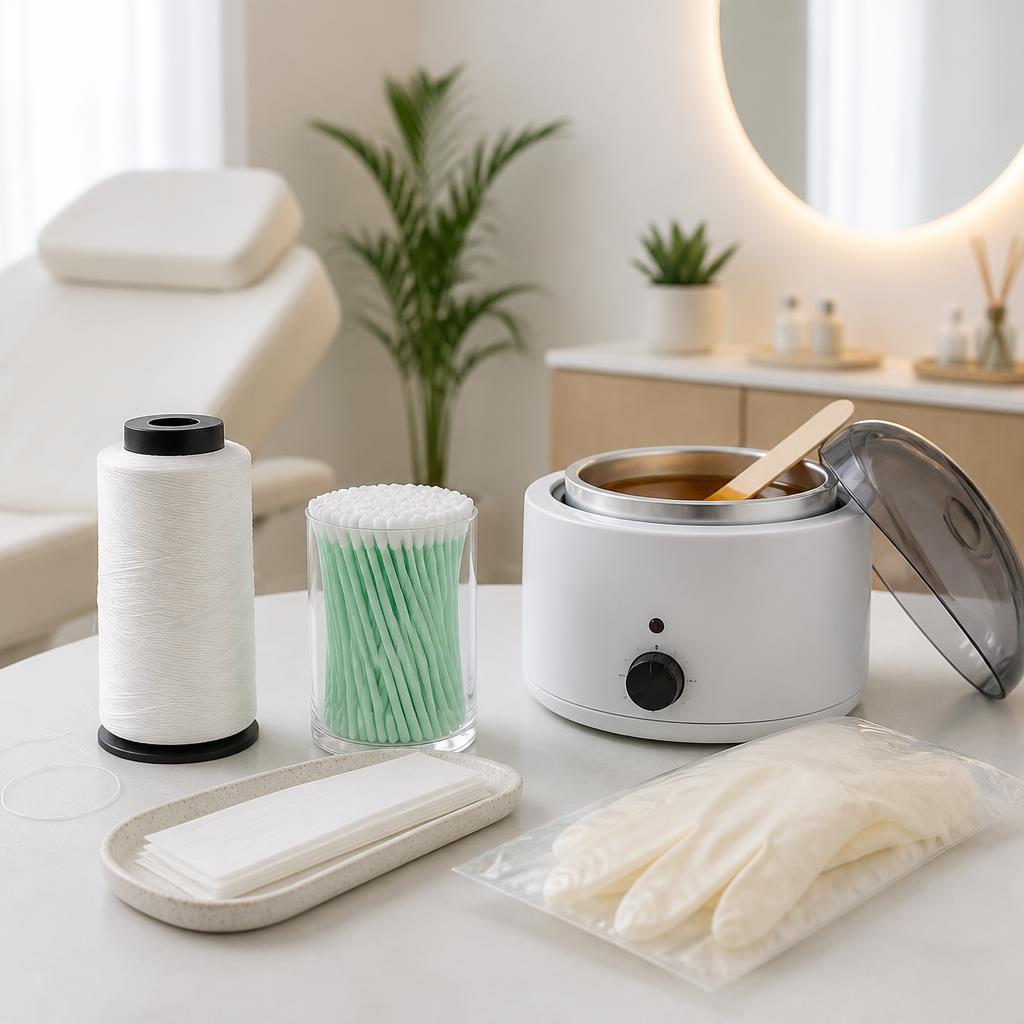
Hair removal can leave the skin tender, which makes every mark look like an injury. Wax pots, spatulas, thread, tweezers, and treatment beds each have different hygiene needs. Double-dipping a spatula can spread bacteria; reused thread can carry surface germs. HIV, however, requires a specific body-fluid route and does not pass through intact or mildly irritated skin. A salon’s hygiene matters even when an HIV scenario does not. Ask for a new spatula and clean hands without needing to mention HIV.
What to do now
Tell the therapist to stop if skin tears or bleeding is more than a spot. Rinse gently, leave the area clean and dry, and avoid perfumed products until it settles. Do not wax over open sores, active rashes, or freshly sunburnt skin. Choose a parlour that uses single-use applicators, fresh thread, clean linens, and a clear surface-cleaning routine. Seek care if pain, warmth, pus, or spreading redness develops.
Keep the response proportionate
Write down what happened and roughly when, while the details are fresh. Do not try to diagnose HIV from symptoms; many symptoms have many causes, and early HIV may have none. Ask about other STIs, hepatitis, pregnancy, wounds, or treatment needs when relevant. Whole-person care is safer care, and a calm plan is more useful than repeated searching.
Timing, testing, and follow-up
PEP is not indicated after ordinary waxing or threading. If equipment visibly covered in fresh blood caused a deep open wound, seek an assessment promptly and within 72 hours. An immediate HIV test would not detect a new infection; follow-up is considered only after the exposure is understood. Other skin or bacterial infections should be assessed on their own timeline.
Common mistakes and myths
Red bumps after waxing are usually skin irritation or follicle inflammation, not HIV. Do not assume that double-dipping automatically means HIV transmission, but do take poor hygiene seriously for bacterial infection. The useful distinction is between irritated skin and fresh blood entering a deep open wound.
Practical prevention from here
Select a parlour with fresh thread, single-use spatulas, clean hands, and intact skin treatment. Avoid waxing over sores or sunburn and follow aftercare. Report severe skin changes. Keep sexual-health prevention separate from salon care so a routine grooming choice does not become a source of unnecessary HIV testing.
What this means in everyday life
The phrase “waxing threading parlour hiv risk” can make an ordinary day feel newly dangerous. Try to separate the object or moment from the route HIV needs in order to spread. A bite, mark, stain, shared surface, delayed report, or unfamiliar word may deserve an explanation, but it is not a diagnosis by itself. You can continue with ordinary work, meals, exercise, family contact, or grooming while you arrange the right care. If you are supporting someone else, listen without demanding private details and help them reach a clinician when the situation is genuinely time-sensitive.
A simple plan for the next 24 hours
First, take care of any wound or symptom with gentle first aid. Next, write down the date, the exact contact, the fluid involved, and what you know about a partner, device, salon, clinic, or test. Then choose one reliable next step: call the testing centre, contact an ICTC, speak with Dr. Yuvraj Monga, or seek urgent care if a recent exposure may qualify for PEP. Avoid random antibiotics, harsh cleaning, public posts, and repeated tests without a plan. A short, accurate timeline gives a specialist much more to work with than a long list of frightening search results.
Questions to bring to a consultation
Bring the treatment type, whether the skin was broken, any visible blood, and the time it happened. A clinician can distinguish follicle irritation from a wound and answer HIV, hepatitis, and STI questions without judgement. Good salon hygiene should make personal care feel ordinary, not like a medical gamble.
Privacy is part of good care
Before a test or consultation, you can ask how your information will be handled, who will see a report, and how results will reach you. You can choose what to share and ask for an explanation in simple English. A reactive screening result is not the same as a confirmed diagnosis, and a non-reactive result may still need repeat testing when taken inside a window period.
You deserve a calm conversation
There is no prize for carrying uncertainty alone. Dr. Yuvraj Monga offers confidential consultations for HIV, AIDS, STIs, PEP, PrEP, ART, symptoms, and test reports. The consultation fee is Rs. 2,000. The goal is simple: give you a medically responsible answer and a plan you can actually follow.
This article is educational and general in nature. It is not a diagnosis, prescription, or a substitute for an individual consultation. If you have questions about your specific PEP regimen or supplements you're taking, speak with a qualified clinician.