Have you been wondering, “Sharing a Razor or Toothbrush at Home: The Real HIV Risk Explained”?
Short answer
Razor blades and toothbrushes should not be shared because they can carry small amounts of blood. That is good household hygiene, but a single accidental share does not mean HIV transmission occurred. The concern would be fresh blood from a person living with HIV entering a new open cut or mouth injury immediately. Dried blood and an ordinary brush contact are much less concerning, and HIV is not spread by sharing towels, soap, or a bathroom.
Why the context matters
Gums can bleed without people noticing, and razors can make tiny skin cuts. A toothbrush or blade is therefore more personal than a glass, even though the actual HIV risk from one accidental exchange is usually low. Hepatitis B and C are important reasons to keep personal items separate because they can persist differently. A person’s appearance cannot tell you their HIV status, and asking someone to prove a diagnosis is not a safe household practice. Keep the focus on clean items and consent.
What to do now
Rinse your mouth or wash the skin gently; do not scrub a cut or apply bleach. Label personal grooming items, store them so they do not get mixed up, and replace a toothbrush after an illness or when bristles are worn. Use a new razor or cartridge for each person. If there was visible wet blood and a deep injury, write down the timing and ask a clinician rather than trying to estimate from the object.
Keep the response proportionate
Write down what happened and roughly when, while the details are fresh. Do not try to diagnose HIV from symptoms; many symptoms have many causes, and early HIV may have none. Ask about other STIs, hepatitis, pregnancy, wounds, or treatment needs when relevant. Whole-person care is safer care, and a calm plan is more useful than repeated searching.
Timing, testing, and follow-up
PEP is not normally recommended for an accidental toothbrush or razor share, but a fresh, deep, immediate blood exposure should be assessed within 72 hours. An early HIV test is only a baseline. Ask about hepatitis B vaccination and tetanus as well. If you have recurring gum bleeding, see a dentist; treating the cause is more useful than repeatedly testing for an event that did not create HIV risk.
Common mistakes and myths
A shared razor or toothbrush should be replaced, but that advice is about preventing bloodborne and ordinary infections—not labelling a household member. A one-time accidental share is not proof of HIV. Keep personal items separate, care for cuts and gums, and assess only a genuine fresh-blood route.
Practical prevention from here
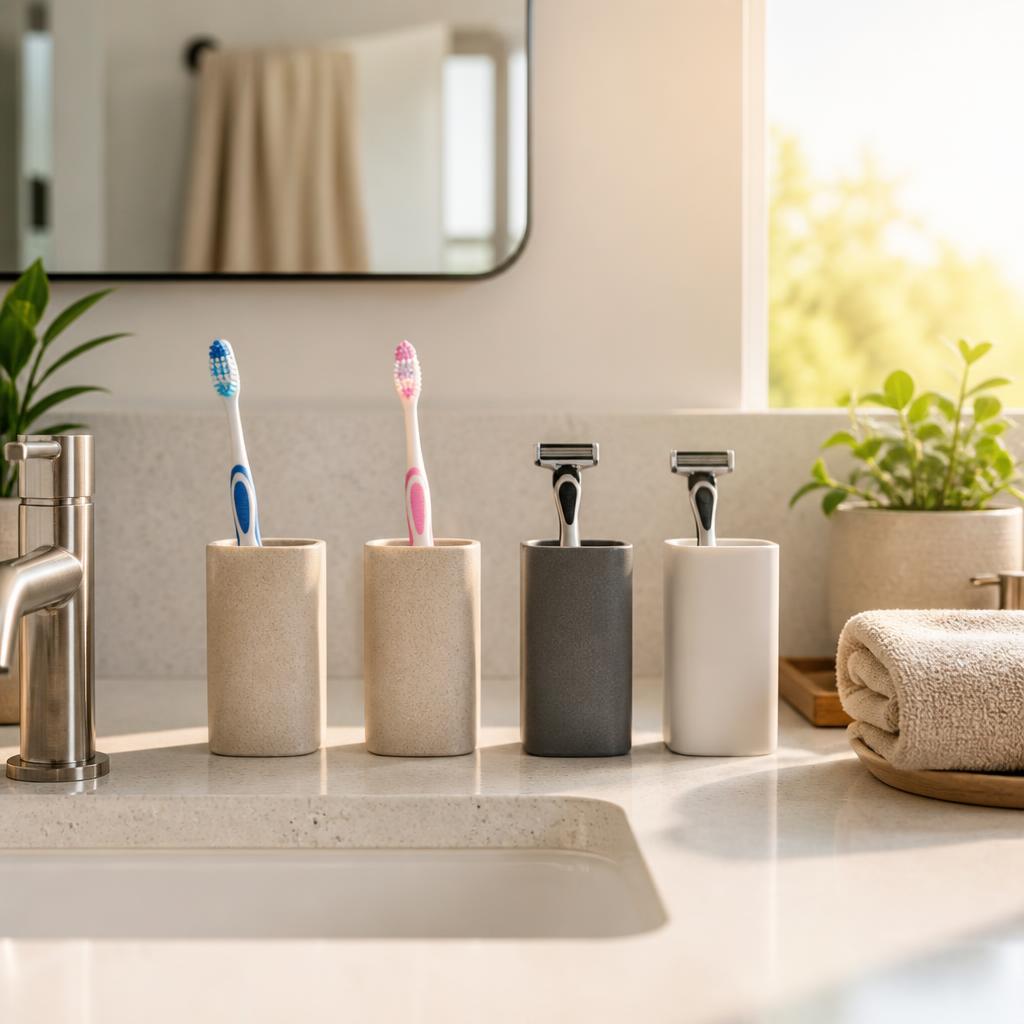
Keep razors, toothbrushes, nail tools, and personal grooming items separate in the home. Replace damaged or blood-stained items and treat gum disease or skin cuts. For HIV, use condoms or PrEP according to your risk and test through a confidential service. Prevention can be practical without making family life feel unsafe.
What this means in everyday life
The phrase “sharing razor toothbrush hiv risk” can make an ordinary day feel newly dangerous. Try to separate the object or moment from the route HIV needs in order to spread. A bite, mark, stain, shared surface, delayed report, or unfamiliar word may deserve an explanation, but it is not a diagnosis by itself. You can continue with ordinary work, meals, exercise, family contact, or grooming while you arrange the right care. If you are supporting someone else, listen without demanding private details and help them reach a clinician when the situation is genuinely time-sensitive.
A simple plan for the next 24 hours
First, take care of any wound or symptom with gentle first aid. Next, write down the date, the exact contact, the fluid involved, and what you know about a partner, device, salon, clinic, or test. Then choose one reliable next step: call the testing centre, contact an ICTC, speak with Dr. Yuvraj Monga, or seek urgent care if a recent exposure may qualify for PEP. Avoid random antibiotics, harsh cleaning, public posts, and repeated tests without a plan. A short, accurate timeline gives a specialist much more to work with than a long list of frightening search results.
Questions to bring to a consultation
A private visit can include household contact, sexual exposures, vaccination, and test planning without forcing anyone to disclose another person’s medical history. You can ask for a clear explanation of why an exposure does or does not meet PEP criteria. Personal items should stay personal, while people living with HIV should remain welcome and safe at home.
Privacy is part of good care
Before a test or consultation, you can ask how your information will be handled, who will see a report, and how results will reach you. You can choose what to share and ask for an explanation in simple English. A reactive screening result is not the same as a confirmed diagnosis, and a non-reactive result may still need repeat testing when taken inside a window period.
You deserve a calm conversation
There is no prize for carrying uncertainty alone. Dr. Yuvraj Monga offers confidential consultations for HIV, AIDS, STIs, PEP, PrEP, ART, symptoms, and test reports. The consultation fee is Rs. 2,000. The goal is simple: give you a medically responsible answer and a plan you can actually follow.
This article is educational and general in nature. It is not a diagnosis, prescription, or a substitute for an individual consultation. If you have questions about your specific PEP regimen or supplements you're taking, speak with a qualified clinician.