
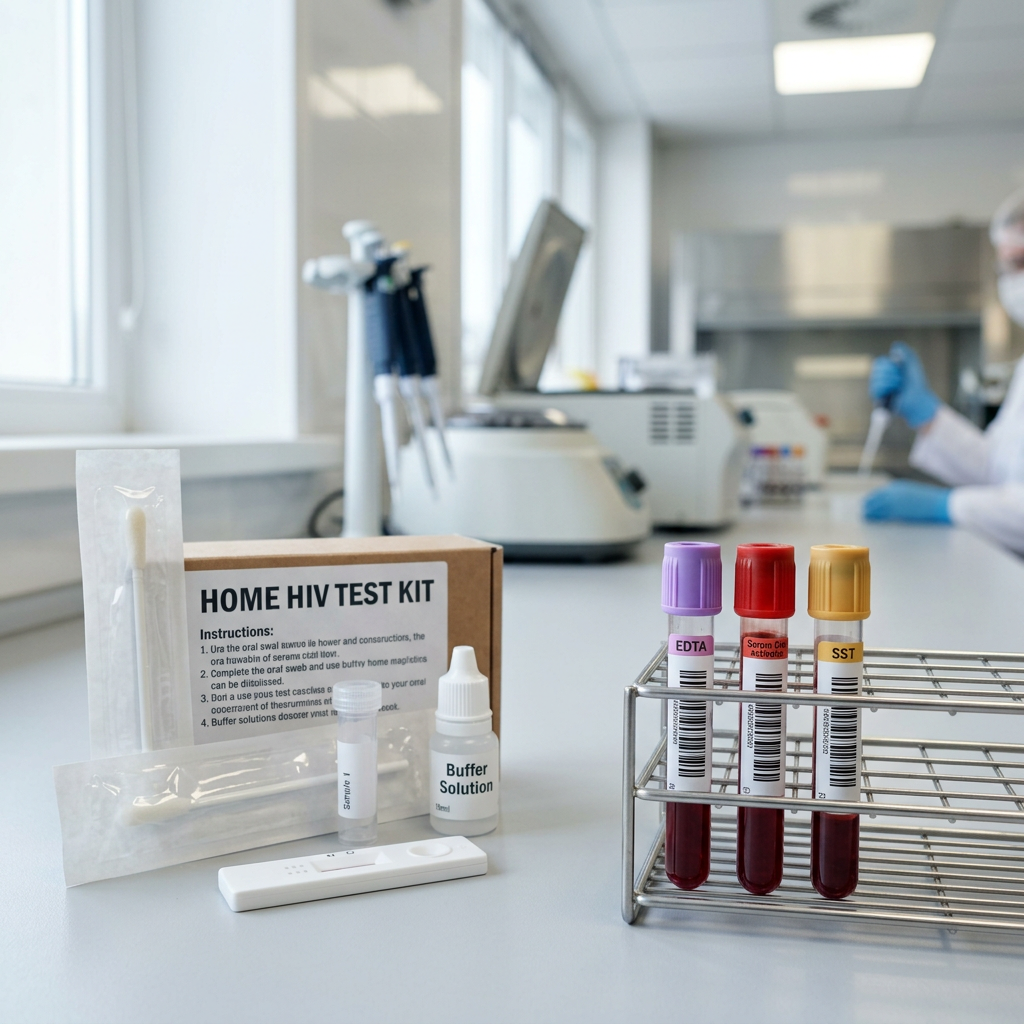
Quick Summary
- Home testing offers ultimate privacy but has a longer window period (up to 90 days).
- Lab testing (4th Gen/PCR) is highly accurate much earlier (18-45 days).
- A positive home test is not a final diagnosis-it requires lab confirmation.
- Testing alone at home can carry a heavy emotional toll without immediate medical support.
Making the Right Choice for Your Health
Discovering your HIV status is a profound step in taking control of your sexual health. In India, patients generally have two primary avenues: purchasing a self-test kit for home use, or visiting a clinic/laboratory for professional testing. Both methods have distinct advantages and limitations. Understanding the differences is crucial to ensuring you get accurate results without unnecessary anxiety.
Home Self-Testing Kits: The Basics
Home test kits, such as rapid blood prick tests or oral saliva swabs, are designed for ease of use. They detect HIV antibodies.
Pros of Home Testing
- Absolute Privacy: You can test in the comfort of your own bedroom without answering questions from medical staff.
- Convenience: Kits can be ordered online and delivered discreetly. No appointments or travel needed.
- Speed of Results: Rapid tests provide results in 15 to 20 minutes.
Cons of Home Testing
- Longer Window Period: Home kits only look for antibodies, which take time to develop. Testing before 90 days post-exposure can result in false negatives.
- User Error: Failing to follow instructions perfectly can invalidate the test.
- Emotional Burden: Receiving a positive result while alone can be deeply traumatic without a counselor or doctor present to explain the next steps.
Laboratory Testing: The Clinical Standard
Professional lab testing involves drawing blood from a vein, which is then analyzed using advanced diagnostic machinery. Common tests include the 4th Generation Antigen/Antibody test and RNA PCR tests.
Pros of Lab Testing
- Higher Accuracy and Early Detection: Because lab tests look for both antigens (the virus) and antibodies, they can detect HIV much earlier-often within 18 to 45 days. PCR tests can detect the virus even sooner.
- Zero User Error: Performed by trained phlebotomists and analyzed by professionals.
- Immediate Support: If a result is positive, a doctor is available immediately to discuss treatment options, provide reassurance, and outline a clear path forward.
Cons of Lab Testing
- Anxiety Around Clinics: Many fear being recognized at a clinic or feeling judged (though specialized clinics guarantee strict confidentiality).
- Time: It may take 24 to 48 hours to receive results, depending on the lab.
Cost Comparison
In India, home test kits generally range from ₹500 to ₹1,500. While seemingly cheaper initially, remember that any positive or indeterminate home test mandates a follow-up lab test. Professional lab tests (4th Gen) typically cost between ₹800 to ₹2,000, but offer definitive answers and access to medical guidance.
The Crucial Role of the "Window Period"
The most common mistake patients make is taking a home test 5 days after a risky encounter. The result will almost certainly be negative, providing a false sense of security. If you had a recent high-risk exposure, testing is not the immediate priority-accessing PEP (Post-Exposure Prophylaxis) within 72 hours is. Only a doctor can prescribe PEP.
Conclusion: Which Should You Choose?
If it has been more than 3 months since your last potential exposure and you want routine screening, a home test is a viable and convenient option.
However, if you have had a recent high-risk exposure, are experiencing symptoms, or want the most accurate, early diagnosis possible, professional lab testing is non-negotiable. At Dr. Monga's clinic, we arrange confidential home blood collection, bridging the gap between the privacy of home and the accuracy of a lab.
Concerned About Your HIV Risk?
Get a confidential consultation, expert testing, and immediate guidance. 100% private care tailored to your needs.
Book Consultation