India's Estimated Burden by 2026
Projections for 2026 estimate that approximately 2.4 million people will be living with HIV in India. While the overall adult prevalence rate has stabilized, specific pockets remain high-burden areas requiring urgent, targeted interventions.
High-Burden States
States such as Andhra Pradesh, Maharashtra, Karnataka, Tamil Nadu, and Telangana continue to bear a significant portion of the country's HIV burden. Additionally, the Northeast-specifically Manipur and Mizoram-reports disproportionately high rates, primarily driven by intravenous drug use (IVDU).
General Population vs. Key Populations
It is crucial to distinguish between general population prevalence and key populations. Men who have sex with men (MSM), female sex workers (FSW), IVDU, and long-distance truckers represent demographics with significantly higher transmission rates. NACO's India HIV Estimations 2023 report highlights these disparities, underlining the need for targeted outreach rather than a one-size-fits-all approach.
The Treatment Cascade and Coverage Gaps
The HIV treatment cascade-testing, linkage to care, initiation of ART, and viral suppression-shows both successes and alarming gaps. While testing has improved, the transition to ART in rural areas still faces logistical and social hurdles. Gender disparities also play a role, with women often accessing testing later than men due to societal constraints.
Where to Get Help
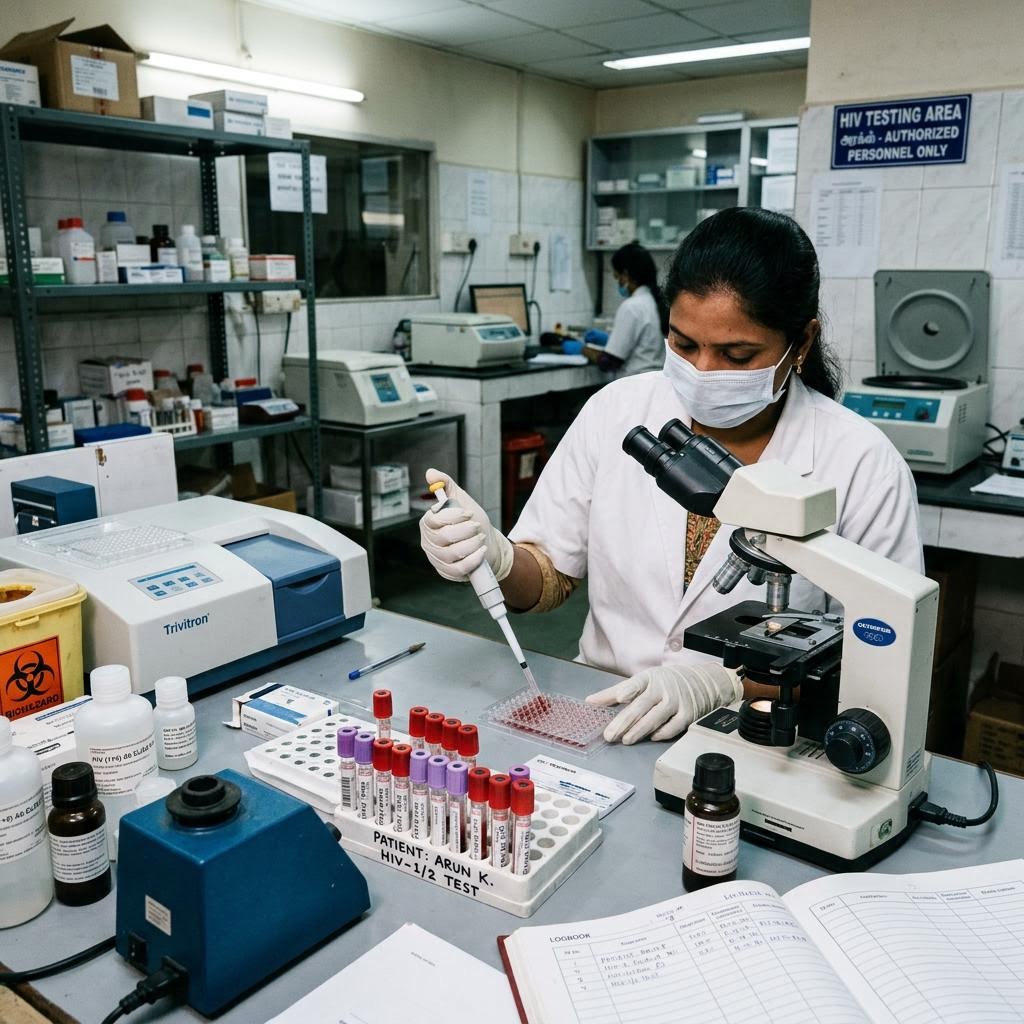
For those seeking testing, Integrated Counseling and Testing Centres (ICTCs) provide free, confidential testing across India. Government ART centers offer free medication, while specialists like Dr. Monga provide private, stigma-free consultations and telemedicine support for PEP and PrEP delivery.