
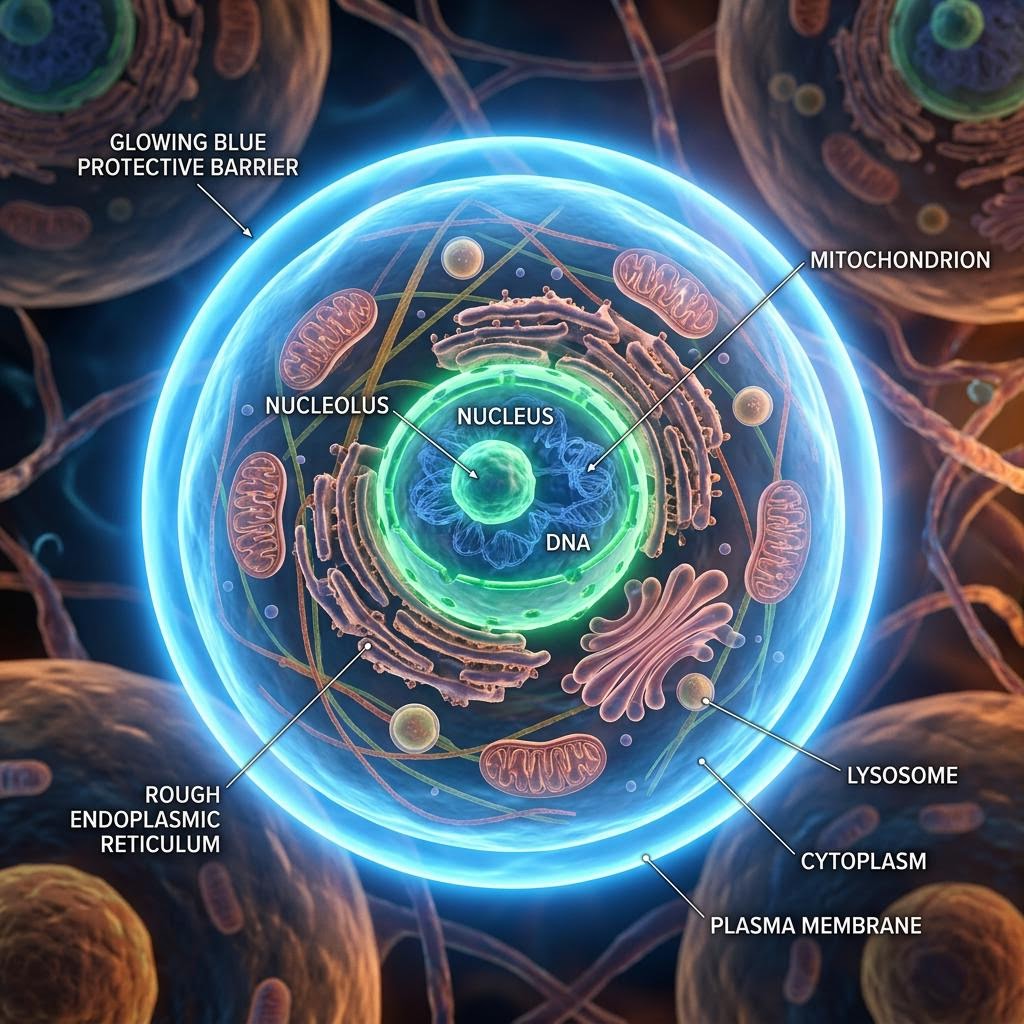
The Cellular Battlefield
To understand why PEP (Post-Exposure Prophylaxis) requires strict adherence for 28 days, you have to understand the microscopic battle happening inside your body after an HIV exposure.
The HIV Life Cycle
HIV is a retrovirus. By itself, it cannot reproduce. It acts like a hijacker, seeking out your immune system's CD4 T-cells. The process looks like this:
- Binding and Fusion: The virus attaches to the outside of your CD4 cell and merges its membrane with the cell.
- Reverse Transcription: Once inside, the virus releases its RNA and an enzyme called reverse transcriptase. This enzyme translates the viral RNA into viral DNA.
- Integration: The new viral DNA enters the nucleus of your cell and uses an enzyme called integrase to splice itself into your human DNA.
- Replication and Assembly: The hijacked cell now acts as a factory, endlessly printing new copies of the virus.
How PEP Stops the Process
PEP is a cocktail of antiretroviral drugs designed to throw a wrench into this cellular machinery. A modern 3-drug PEP regimen attacks the virus on multiple fronts:
1. NRTIs (Nucleoside Reverse Transcriptase Inhibitors)
Drugs like Tenofovir and Lamivudine act as "faulty building blocks." When the virus tries to translate its RNA into DNA (Step 2), it grabs these faulty blocks instead of real cellular material. The translation chain breaks, and the process stops.
2. Integrase Inhibitors
Drugs like Dolutegravir target Step 3. Even if the virus manages to create some viral DNA, the integrase inhibitor blocks the enzyme required to splice that DNA into your human genome. The virus remains locked out of your command center.
Why Timing is Everything
These drugs only work if they intercept the virus before it completes Step 3 and before the infected cells migrate to the lymph nodes to establish a massive viral reservoir. This initial journey takes about 72 hours-which is exactly why PEP must be started within that window.
Why 28 Days?
While the drugs stop new cells from being infected, there may already be a few localized cells that harbor the virus. It takes the human immune system roughly 28 days to naturally identify and destroy these few infected cells. You must maintain a steady concentration of the drugs in your bloodstream for this entire period to ensure no new cells are hijacked while the immune system cleans up.