Have you been wondering, “I Had Risky Sex Yesterday — Will an HIV Test Today Give an Accurate Result?”?
Short answer
An HIV test the day after sex is too early to reliably rule out an infection from that event. It can serve as a baseline, showing whether there was evidence of an earlier infection, but it cannot detect a brand-new infection before the test’s window period. The right test and repeat schedule depend on the exposure, the test used, and whether PEP was started.
Why the context matters
Tests do not see the past event directly; they look for HIV antigen, antibodies, or genetic material after those markers become detectable. A fourth-generation laboratory test usually detects infection earlier than an antibody-only test, but no test is a magic answer the morning after exposure. This is why clinicians ask the date and type of sex, condom use, partner status or treatment, and whether there were sores or blood. The word “risky” is useful as a starting point, not a diagnosis.
What to do now
Write down when the sex happened and contact a clinician if it was within 72 hours and may have involved HIV transmission. PEP is time-sensitive, so do not wait for a test result before asking about it. Avoid further unprotected exposure while deciding on prevention. If pregnancy or another STI is possible, include those needs in the same appointment. Do not take repeated tests every day; a planned schedule gives clearer answers and less anxiety.
Keep the response proportionate
Write down what happened and roughly when, while the details are fresh. Do not try to diagnose HIV from symptoms; many symptoms have many causes, and early HIV may have none. Ask about other STIs, hepatitis, pregnancy, wounds, or treatment needs when relevant. Whole-person care is safer care, and a calm plan is more useful than repeated searching.
Timing, testing, and follow-up
Ask which test is being offered, when it becomes reliable, and when a repeat is needed. A negative early result should be explained in the context of the window period, particularly after PEP. Symptoms cannot date an HIV infection and many people have none. If you develop severe illness, seek care for the symptoms themselves rather than assuming they are HIV.
Common mistakes and myths
The most harmful myth is that a negative test the next morning closes the case. It does not; it is usually a baseline. The opposite mistake is assuming an early test is useless—it can document your starting point. Ask about the assay, window period, PEP, and a planned repeat instead of testing repeatedly.
Practical prevention from here
Plan testing around the test’s window period rather than testing every day. Use condoms until the plan is clear, ask about PEP within 72 hours, and consider PrEP if future exposure is possible. Keep the test report and medicine details. Knowing the schedule is a prevention tool because it reduces both delay and panic.
What this means in everyday life
The phrase “hiv test accuracy day after risky sex” can make an ordinary day feel newly dangerous. Try to separate the object or moment from the route HIV needs in order to spread. A bite, mark, stain, shared surface, delayed report, or unfamiliar word may deserve an explanation, but it is not a diagnosis by itself. You can continue with ordinary work, meals, exercise, family contact, or grooming while you arrange the right care. If you are supporting someone else, listen without demanding private details and help them reach a clinician when the situation is genuinely time-sensitive.
A simple plan for the next 24 hours
First, take care of any wound or symptom with gentle first aid. Next, write down the date, the exact contact, the fluid involved, and what you know about a partner, device, salon, clinic, or test. Then choose one reliable next step: call the testing centre, contact an ICTC, speak with Dr. Yuvraj Monga, or seek urgent care if a recent exposure may qualify for PEP. Avoid random antibiotics, harsh cleaning, public posts, and repeated tests without a plan. A short, accurate timeline gives a specialist much more to work with than a long list of frightening search results.
Questions to bring to a consultation
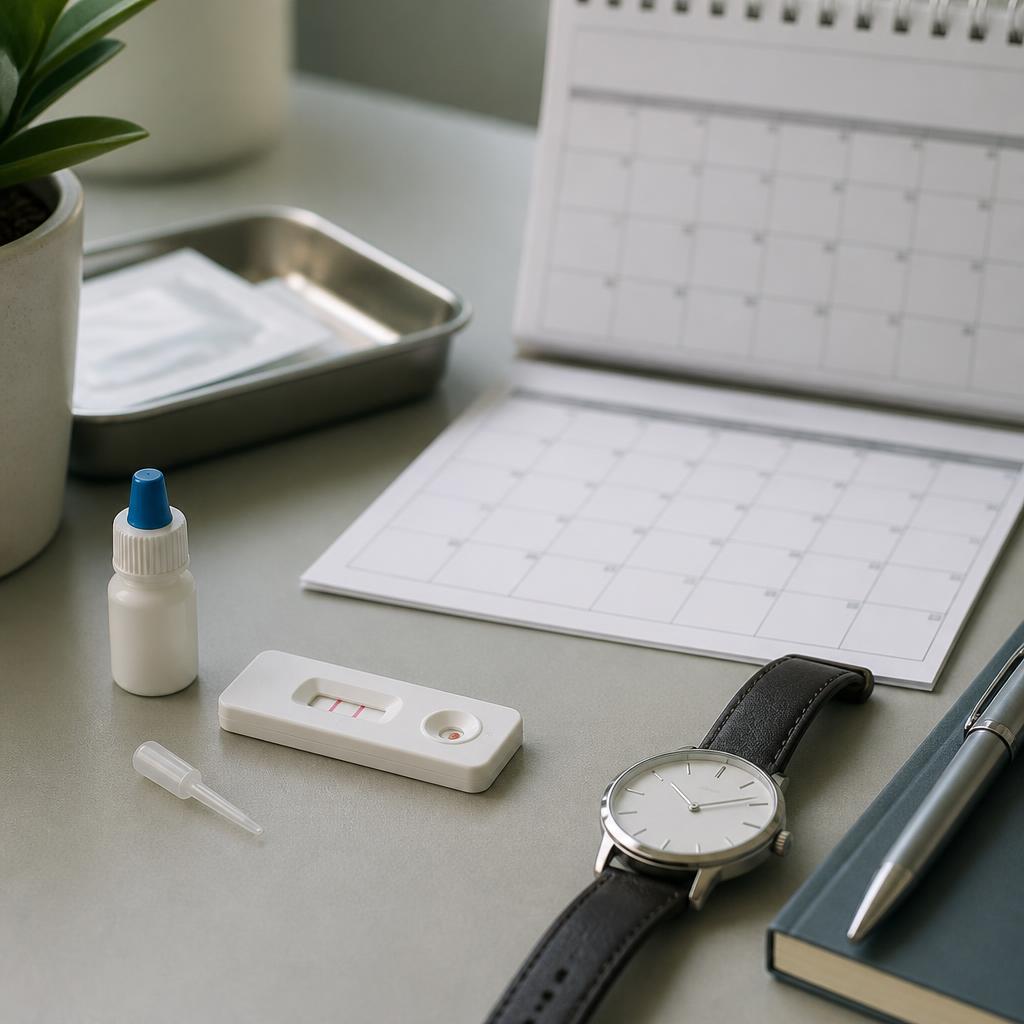
Bring your test name, sample date, exposure date, and any PEP or PrEP medicines. Dr. Yuvraj Monga can create a private testing calendar and explain reactive, non-reactive, or indeterminate results. The consultation fee is Rs. 2,000, with medicine delivery across India when clinically appropriate. Knowing that tomorrow’s test is early is not bad news—it is accurate timing information.
Privacy is part of good care
Before a test or consultation, you can ask how your information will be handled, who will see a report, and how results will reach you. You can choose what to share and ask for an explanation in simple English. A reactive screening result is not the same as a confirmed diagnosis, and a non-reactive result may still need repeat testing when taken inside a window period.
You deserve a calm conversation
There is no prize for carrying uncertainty alone. Dr. Yuvraj Monga offers confidential consultations for HIV, AIDS, STIs, PEP, PrEP, ART, symptoms, and test reports. The consultation fee is Rs. 2,000. The goal is simple: give you a medically responsible answer and a plan you can actually follow.
This article is educational and general in nature. It is not a diagnosis, prescription, or a substitute for an individual consultation. If you have questions about your specific PEP regimen or supplements you're taking, speak with a qualified clinician.