
Quick Summary
- Panic is normal, but HIV is actually difficult to transmit in a single encounter.
- Risk varies significantly by the type of sexual act (receptive anal carries the highest risk).
- If the encounter happened within the last 72 hours, you may be eligible for emergency PEP.
- Testing immediately will not show a new infection; you must wait for the window period to pass.
Facing the Anxiety
The morning after an unprotected one-night stand can bring a tidal wave of anxiety. "Did I catch HIV?" is often the first, terrifying thought. Before panic takes over, it is essential to look at the medical facts calmly. HIV is a serious condition, but it is not as easily transmitted as many people fear.
The Statistical Reality
First, for transmission to occur, your partner must actually be HIV-positive and have a detectable viral load. If they are HIV-negative, or if they are HIV-positive but on effective medication (Undetectable = Untransmittable), the risk is zero.
Even if your partner is HIV-positive and not on medication, the risk per single act of unprotected sex varies. Receptive anal intercourse carries the highest risk. Insertive anal and vaginal intercourse carry significantly lower risks. Oral sex carries an extremely low, almost negligible risk.
What to Do Immediately: The 72-Hour Rule
If you had a high-risk exposure and less than 72 hours have passed, you must act quickly. Post-Exposure Prophylaxis (PEP) is an emergency course of antiretroviral medicines that, if started within 72 hours, can stop the virus from taking hold in your body.
Do not waste time trying to order home test kits. Do not wait for symptoms. Contact a specialist immediately. At our clinic, we provide confidential digital consultations to assess your risk and can arrange PEP delivery anywhere in India within 12 to 24 hours.
The Problem with Immediate Testing
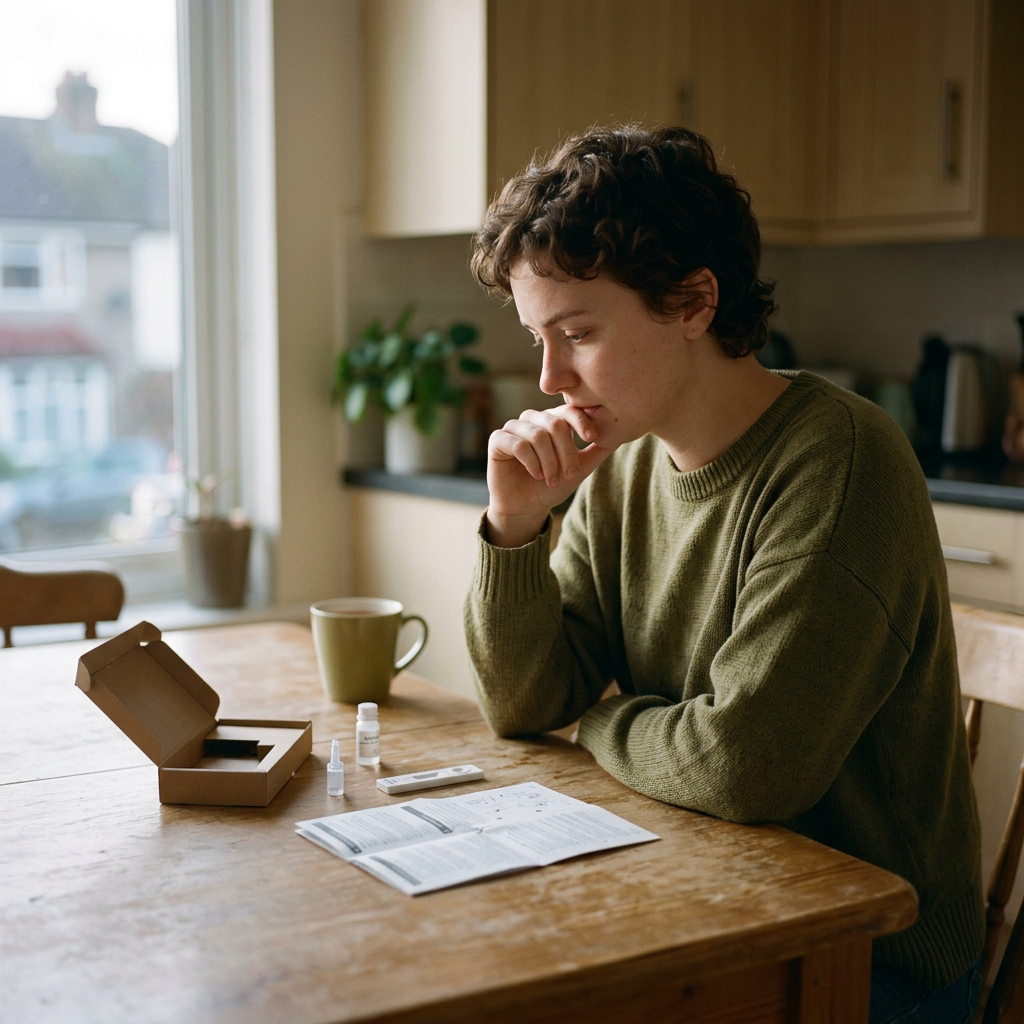
A common reaction is to rush to a lab the very next day. While a baseline test is good to confirm you didn't have a prior infection, it will not detect an infection from the night before. HIV has a "window period." For the most advanced blood tests, this window is 18 to 45 days. You must wait to be tested for the recent exposure.
Condoms and Protection
If you used a condom correctly and it did not break or slip off, your risk of HIV is virtually eliminated. Even if the condom broke, do not panic-refer back to the 72-hour PEP window.
Next Steps
Breathe. You are not alone in this anxiety. The best thing you can do is speak with a non-judgmental professional who can assess your specific situation, provide accurate medical advice, and guide you through testing or PEP protocols.
Concerned About Your HIV Risk?
Get a confidential consultation, expert testing, and immediate guidance. 100% private care tailored to your needs.
Book Consultation