
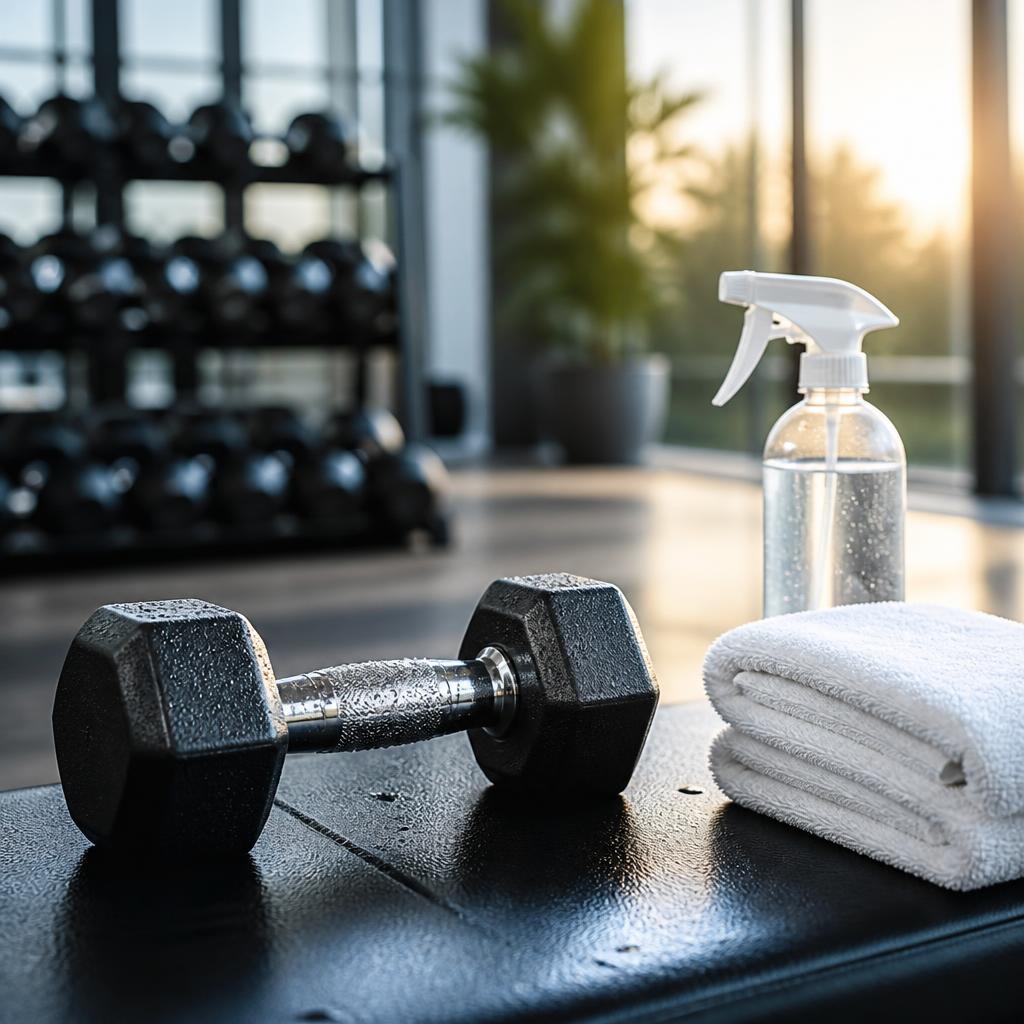
Have you been wondering, “Can Sharing Gym Equipment or Sweat Towels Spread HIV?”?
Short answer
Sweat, exercise equipment, and shared towels do not spread HIV. HIV is not transmitted through perspiration or intact skin, and a machine handle does not inject another person’s fluid into you. A towel with visible blood should be handled with gloves or washed normally, but touching it is not automatically an HIV exposure. Gym hygiene is still valuable for fungal, bacterial, and respiratory infections.
Why the context matters
A workout can create small chafes, shaving nicks, or acne spots, while shared equipment may look damp or stained. Those details do not equal HIV transmission. The virus needs a relevant infectious fluid and a direct entry route. Sweat is not one of the fluids that transmits HIV, and dried blood on a surface is not equivalent to a fresh needle injury. If blood is present, gyms should clean the area and protect staff, just as they would for any bloodborne infection.
What to do now
Wipe equipment before and after use, cover open cuts, carry a personal towel, and wash hands before touching your face. If you have a fresh wound, clean it and use a dressing rather than exercising through pain. Report blood on equipment to staff instead of cleaning it bare-handed. Seek care for a deep cut or infection signs. These habits protect your skin and community health without making other gym users feel unsafe.
Keep the response proportionate
Write down what happened and roughly when, while the details are fresh. Do not try to diagnose HIV from symptoms; many symptoms have many causes, and early HIV may have none. Ask about other STIs, hepatitis, pregnancy, wounds, or treatment needs when relevant. Whole-person care is safer care, and a calm plan is more useful than repeated searching.
Timing, testing, and follow-up
There is no HIV PEP or special HIV test after sweat, a towel, or gym equipment contact. If a sharp object punctures you or there is a separate sexual exposure, assess that event quickly. Testing should follow a planned window period and not the appearance of a bruise or muscle ache. Exercise-related symptoms are common and are not a way to diagnose HIV.
Common mistakes and myths
Sweat is not an HIV-transmitting fluid. A damp towel, bruise, or machine handle cannot deliver HIV through intact skin. The mistake is either ignoring a deep sharp injury or treating every gym mark as one. Cover wounds, report blood, and keep HIV questions separate from normal workout soreness.
Practical prevention from here
Bring a personal towel, cover cuts, wipe handles, and report visible blood. Do not exercise through a deep wound or infection. If sexual or injecting exposure is relevant, choose condoms, PrEP, sterile equipment, and planned testing. Sweat and shared equipment should never lead to stigma against another gym member.
What this means in everyday life
The phrase “gym equipment sweat towel hiv risk” can make an ordinary day feel newly dangerous. Try to separate the object or moment from the route HIV needs in order to spread. A bite, mark, stain, shared surface, delayed report, or unfamiliar word may deserve an explanation, but it is not a diagnosis by itself. You can continue with ordinary work, meals, exercise, family contact, or grooming while you arrange the right care. If you are supporting someone else, listen without demanding private details and help them reach a clinician when the situation is genuinely time-sensitive.
A simple plan for the next 24 hours
First, take care of any wound or symptom with gentle first aid. Next, write down the date, the exact contact, the fluid involved, and what you know about a partner, device, salon, clinic, or test. Then choose one reliable next step: call the testing centre, contact an ICTC, speak with Dr. Yuvraj Monga, or seek urgent care if a recent exposure may qualify for PEP. Avoid random antibiotics, harsh cleaning, public posts, and repeated tests without a plan. A short, accurate timeline gives a specialist much more to work with than a long list of frightening search results.
Questions to bring to a consultation
A confidential appointment can cover routine testing, skin conditions, hepatitis vaccination, and the exact contact that worried you. You do not need to identify another gym member to ask for care. People living with HIV should be able to exercise alongside everyone else; accurate information is part of making public health spaces welcoming.
Privacy is part of good care
Before a test or consultation, you can ask how your information will be handled, who will see a report, and how results will reach you. You can choose what to share and ask for an explanation in simple English. A reactive screening result is not the same as a confirmed diagnosis, and a non-reactive result may still need repeat testing when taken inside a window period.
You deserve a calm conversation
There is no prize for carrying uncertainty alone. Dr. Yuvraj Monga offers confidential consultations for HIV, AIDS, STIs, PEP, PrEP, ART, symptoms, and test reports. The consultation fee is Rs. 2,000. The goal is simple: give you a medically responsible answer and a plan you can actually follow.
This article is educational and general in nature. It is not a diagnosis, prescription, or a substitute for an individual consultation. If you have questions about your specific PEP regimen or supplements you're taking, speak with a qualified clinician.