The Most Important Message: Do Not Delay Gathering Documents
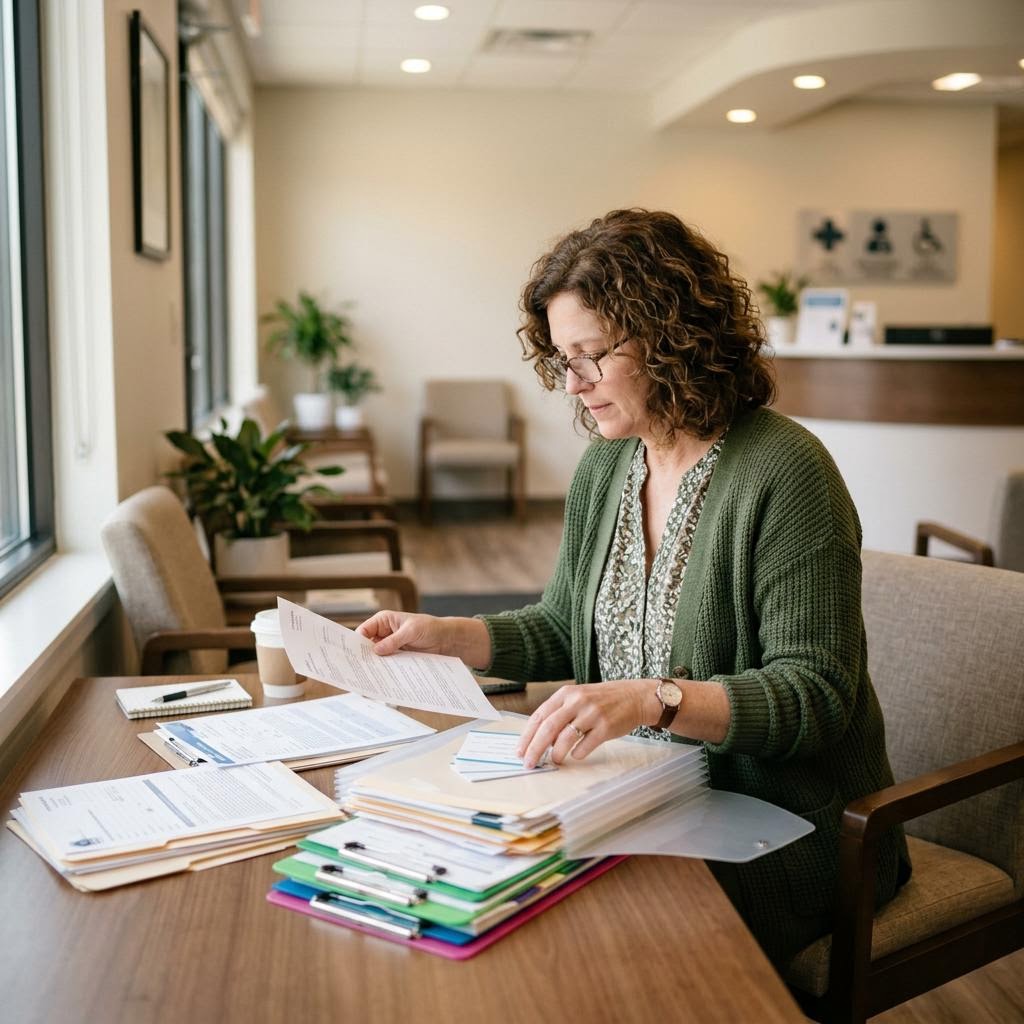
Before we go through what a doctor needs, the most critical point must be stated clearly: do not delay starting PEP while trying to gather documents. Your 72-hour window is more important than any paperwork. A good HIV specialist will begin your consultation based on a conversation alone and gather additional information as needed. If you are within the window, contact a doctor first - document collection can happen in parallel.
What a Doctor Actually Needs to Start a PEP Consultation
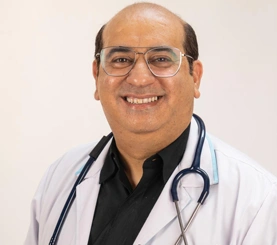
The good news is that the information required is mostly what you carry in your head, not in a folder. Here is what Dr. Monga needs for a complete and effective consultation:
1. Description of the Exposure
This is the most important piece of information. You need to be able to describe:
- What type of exposure occurred (unprotected sex, needlestick, condom failure, etc.)
- The exact date and time of the exposure
- The type of contact (anal, vaginal, oral; with blood, semen, vaginal fluid)
- Whether you were the insertive or receptive partner (for sexual exposures)
You do not need to provide a formal written account. Simply being able to describe what happened verbally or in a WhatsApp message is sufficient.
2. Information About the Source Person (If Known)
If you know anything about the HIV status of the person who may have exposed you, share it. This significantly affects the risk assessment:
- Do you know if they are HIV-positive?
- If positive, are they on treatment? Do you know their viral load?
- Is their HIV status unknown to you?
You do not need documents or test results from the source person. Simply what you know is enough.
3. Your Current Medications
Certain medications interact with PEP drugs. The doctor needs to know everything you are currently taking, including:
- Prescription medications (especially for TB, epilepsy, heart conditions, or psychiatric conditions)
- Over-the-counter medications
- Herbal supplements or Ayurvedic medicines
You do not need to bring the packaging. Just knowing the names is sufficient.
4. Relevant Medical History
A brief mention of any significant health conditions, especially:
- Kidney disease or kidney problems
- Liver disease or hepatitis
- Pregnancy or breastfeeding (if applicable)
- Known allergies to medications
Documents That Are Helpful But Not Mandatory
The following are useful if you have them readily available, but do not delay your consultation to obtain them:
- A recent HIV test result (confirming you are negative)
- A recent Hepatitis B vaccination record
- Any previous PEP prescription records
- Blood test reports (CBC, kidney and liver function, if recent)
What You Will Be Asked to Do After Starting PEP
Once PEP begins, your doctor will schedule baseline testing (HIV, Hepatitis B, kidney and liver function) either before the first dose or within the first 1-3 days. These tests help monitor your health during the 28-day course and establish a baseline for follow-up testing.
Privacy and Your Consultation Records
All information shared with Dr. Monga during a consultation is completely confidential. Your records are not shared with any third party, employer, family member, or insurance company without your explicit consent. You are protected by patient confidentiality laws as well as the clinic's own strict privacy practices.
Start With What You Know
You do not need a file of documents. You need to act now. WhatsApp Dr. Yuvraj Monga at 9999219128. Tell him what happened, when it happened, and what medications you take. That is enough to begin. PEP can be at your door within 12-24 hours anywhere in India.