Have you been wondering, “Can You Get HIV From a Dentist's or Doctor's Instruments?”?
Short answer
Healthcare and dental instruments are designed to be safe when standard sterilisation and single-use practices are followed. HIV transmission from a properly managed clinic or dental procedure is extraordinarily unlikely. A concern would involve a clear breach—such as an instrument visibly contaminated with fresh blood being reused immediately—rather than the normal sight of blood during a procedure. If you witnessed a breach or had a needle injury, report it and seek prompt advice.
Why the context matters
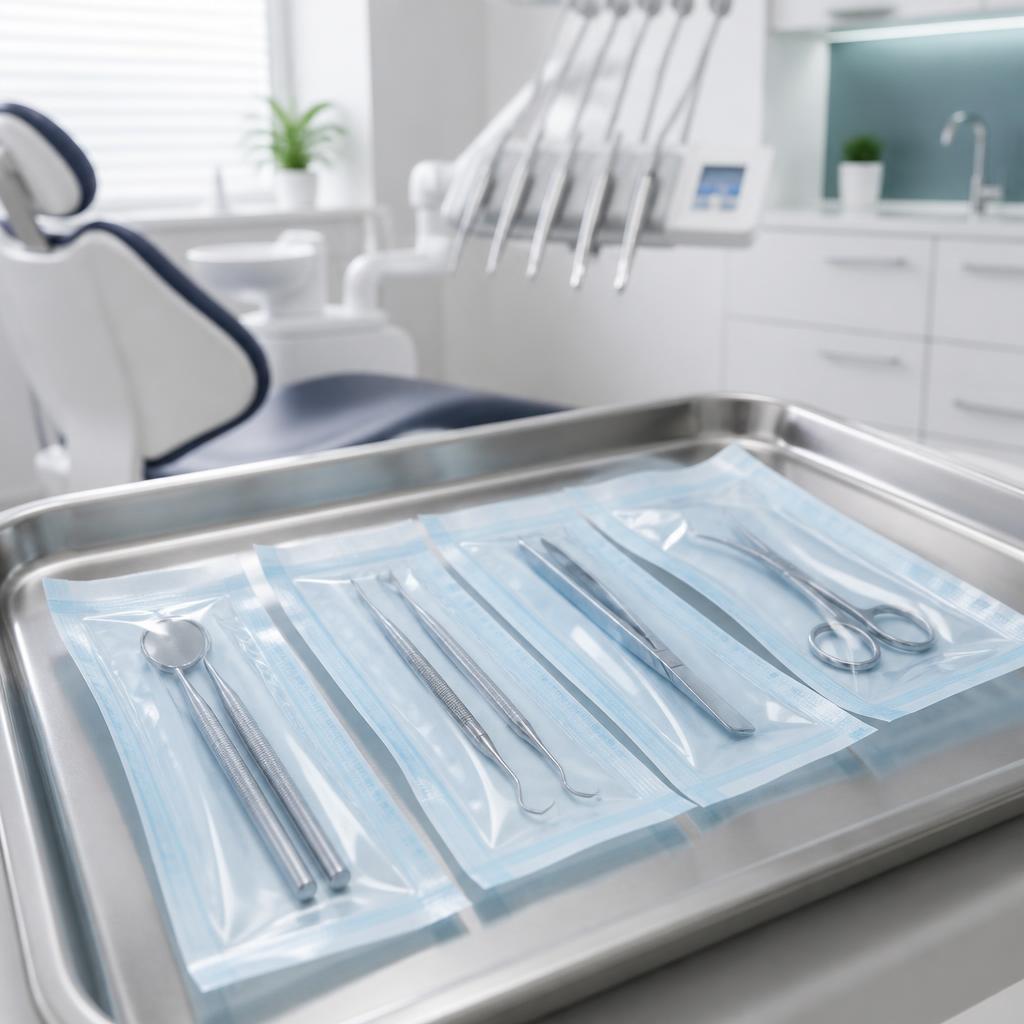
Dental work can involve blood, drills, injections, and sharp instruments, which makes the setting feel high risk. In a safe facility, reusable instruments go through cleaning, packaging, and sterilisation; needles and syringes are single-use. Gloves and surface disinfection add layers of protection. You do not need to know another patient’s diagnosis for these barriers to work. HIV does not spread from a dentist’s chair, saliva suction, or a routine examination. Other concerns such as hepatitis B, hepatitis C, and bacterial infection also depend on the exact breach.
What to do now
Ask the clinic how instruments are sterilised and whether the injection needle and cartridge are new. If you are cut by a device, wash with soap and water and tell staff immediately so the incident can be documented. Do not scrub, squeeze, or apply bleach. Keep any paperwork about the procedure and note when the incident happened. A reputable clinic should explain its process and arrange occupational-style exposure advice rather than dismissing the question.
Keep the response proportionate
Write down what happened and roughly when, while the details are fresh. Do not try to diagnose HIV from symptoms; many symptoms have many causes, and early HIV may have none. Ask about other STIs, hepatitis, pregnancy, wounds, or treatment needs when relevant. Whole-person care is safer care, and a calm plan is more useful than repeated searching.
Timing, testing, and follow-up
A routine procedure does not call for HIV PEP or special testing. If a genuine contaminated sharp injury occurred, contact an HIV service as soon as possible, ideally within hours and no later than 72 hours for PEP assessment. Baseline and follow-up tests are chosen by a clinician; a same-day negative result cannot detect a new infection. Tetanus and hepatitis B vaccination may also be reviewed.
Common mistakes and myths
The presence of blood during dental care does not mean instruments were unsafe. Another myth is that asking about sterilisation insults a clinician; it is a normal safety question. A witnessed contaminated sharp injury is different from a routine procedure and should be reported, documented, and assessed promptly.
Practical prevention from here
Choose regulated healthcare services that use sealed single-use needles and a visible sterilisation process. Ask questions before a procedure and report sharps injuries immediately. Keep hepatitis B vaccination current. For sexual exposure outside healthcare, use the appropriate prevention tools; a safe dental visit does not replace ordinary HIV testing when it is relevant.
What this means in everyday life
The phrase “can you get hiv from dentist or doctor instruments” can make an ordinary day feel newly dangerous. Try to separate the object or moment from the route HIV needs in order to spread. A bite, mark, stain, shared surface, delayed report, or unfamiliar word may deserve an explanation, but it is not a diagnosis by itself. You can continue with ordinary work, meals, exercise, family contact, or grooming while you arrange the right care. If you are supporting someone else, listen without demanding private details and help them reach a clinician when the situation is genuinely time-sensitive.
A simple plan for the next 24 hours
First, take care of any wound or symptom with gentle first aid. Next, write down the date, the exact contact, the fluid involved, and what you know about a partner, device, salon, clinic, or test. Then choose one reliable next step: call the testing centre, contact an ICTC, speak with Dr. Yuvraj Monga, or seek urgent care if a recent exposure may qualify for PEP. Avoid random antibiotics, harsh cleaning, public posts, and repeated tests without a plan. A short, accurate timeline gives a specialist much more to work with than a long list of frightening search results.
Questions to bring to a consultation
Bring the instrument type, visible blood, depth of injury, timing, and the clinic’s incident report. Ask for the reason behind any recommended test or medicine. Dr. Yuvraj Monga can provide a private second opinion when the details are unclear. Safe healthcare should feel transparent, and asking how a clinic prevents infection is a normal part of informed consent.
Privacy is part of good care
Before a test or consultation, you can ask how your information will be handled, who will see a report, and how results will reach you. You can choose what to share and ask for an explanation in simple English. A reactive screening result is not the same as a confirmed diagnosis, and a non-reactive result may still need repeat testing when taken inside a window period.
You deserve a calm conversation
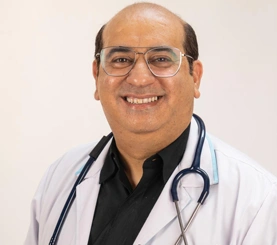
There is no prize for carrying uncertainty alone. Dr. Yuvraj Monga offers confidential consultations for HIV, AIDS, STIs, PEP, PrEP, ART, symptoms, and test reports. The consultation fee is Rs. 2,000. The goal is simple: give you a medically responsible answer and a plan you can actually follow.
This article is educational and general in nature. It is not a diagnosis, prescription, or a substitute for an individual consultation. If you have questions about your specific PEP regimen or supplements you're taking, speak with a qualified clinician.