Have you been wondering, “Can You Get HIV From Using a Public Toilet?”?
Short answer
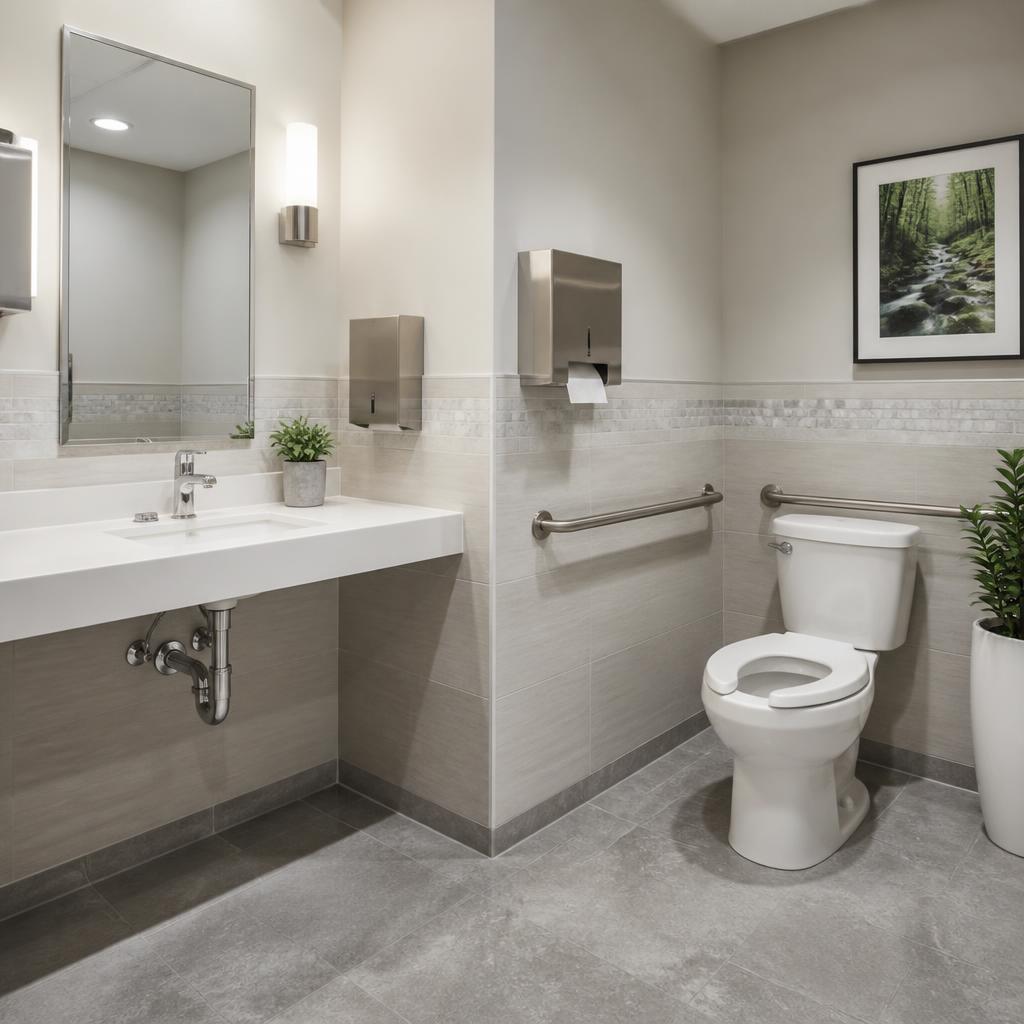
No. HIV cannot be acquired from a public toilet seat, toilet water, urine, or ordinary bathroom contact. The virus is not spread through intact skin and does not remain infectious in a public washroom environment. A toilet can carry germs that cause stomach or skin infections, so handwashing is sensible, but it is not an HIV prevention measure because toilet use is not an HIV exposure.
Why the context matters
Public toilets can feel frightening when the seat is wet or when you see a cut, stain, or used tissue. HIV transmission requires specific fluids and a direct route. Urine and faeces are not HIV-transmitting fluids unless visibly mixed with blood, and even then a toilet seat does not create the direct entry needed. Your skin is a strong barrier. A small pimple, shaving nick, or insect bite does not make the whole bathroom dangerous. Touching a handle, flushing, or sitting down does not transmit HIV.
What to do now
Use toilet paper or a seat cover if it helps you feel comfortable, wash your hands with soap, and cover a wound with a clean dressing. If there is fresh blood, avoid direct contact and notify the facility rather than cleaning it with bare hands. Do not pour chemicals over your skin or scrub until it hurts. If a splash reaches your eye or mouth, rinse with clean water and ask a clinician about the actual fluid involved; a routine toilet visit still does not call for PEP.
Keep the response proportionate
Write down what happened and roughly when, while the details are fresh. Do not try to diagnose HIV from symptoms; many symptoms have many causes, and early HIV may have none. Ask about other STIs, hepatitis, pregnancy, wounds, or treatment needs when relevant. Whole-person care is safer care, and a calm plan is more useful than repeated searching.
Timing, testing, and follow-up
There is no HIV PEP or special testing timeline after using a public toilet. If a separate sexual exposure, needle injury, or direct blood splash happened in the same setting, assess that event quickly. A test taken immediately after bathroom contact would not be meaningful for HIV and could reinforce an incorrect connection. Testing is a calm, voluntary part of sexual healthcare—not a punishment for being in public.
Common mistakes and myths
A wet toilet seat is not a route into the bloodstream. HIV does not travel through toilet water, urine, intact skin, or a public handle. Avoiding public toilets or repeatedly disinfecting skin cannot prevent HIV from an event that cannot transmit it. Handwashing remains sensible for ordinary germs.
Practical prevention from here
Wash hands, cover open cuts, and use ordinary bathroom hygiene. For HIV prevention, focus on sexual health conversations, condoms, PrEP where appropriate, and never sharing injection equipment. You do not need to avoid public toilets or isolate from people living with HIV. Prevention should make life safer, not smaller.
What this means in everyday life
The phrase “can you get hiv from a public toilet” can make an ordinary day feel newly dangerous. Try to separate the object or moment from the route HIV needs in order to spread. A bite, mark, stain, shared surface, delayed report, or unfamiliar word may deserve an explanation, but it is not a diagnosis by itself. You can continue with ordinary work, meals, exercise, family contact, or grooming while you arrange the right care. If you are supporting someone else, listen without demanding private details and help them reach a clinician when the situation is genuinely time-sensitive.
A simple plan for the next 24 hours
First, take care of any wound or symptom with gentle first aid. Next, write down the date, the exact contact, the fluid involved, and what you know about a partner, device, salon, clinic, or test. Then choose one reliable next step: call the testing centre, contact an ICTC, speak with Dr. Yuvraj Monga, or seek urgent care if a recent exposure may qualify for PEP. Avoid random antibiotics, harsh cleaning, public posts, and repeated tests without a plan. A short, accurate timeline gives a specialist much more to work with than a long list of frightening search results.
Questions to bring to a consultation
If toilet fears are stopping you from travel, work, or daily life, a clinician can answer them without dismissing how real the anxiety feels. We can also discuss routine screening, skin symptoms, or gastrointestinal symptoms on their own terms. The facts are reassuring: ordinary bathroom use is safe from HIV transmission, and people living with HIV can share public spaces with everyone else.
Privacy is part of good care
Before a test or consultation, you can ask how your information will be handled, who will see a report, and how results will reach you. You can choose what to share and ask for an explanation in simple English. A reactive screening result is not the same as a confirmed diagnosis, and a non-reactive result may still need repeat testing when taken inside a window period.
You deserve a calm conversation
There is no prize for carrying uncertainty alone. Dr. Yuvraj Monga offers confidential consultations for HIV, AIDS, STIs, PEP, PrEP, ART, symptoms, and test reports. The consultation fee is Rs. 2,000. The goal is simple: give you a medically responsible answer and a plan you can actually follow.
This article is educational and general in nature. It is not a diagnosis, prescription, or a substitute for an individual consultation. If you have questions about your specific PEP regimen or supplements you're taking, speak with a qualified clinician.