
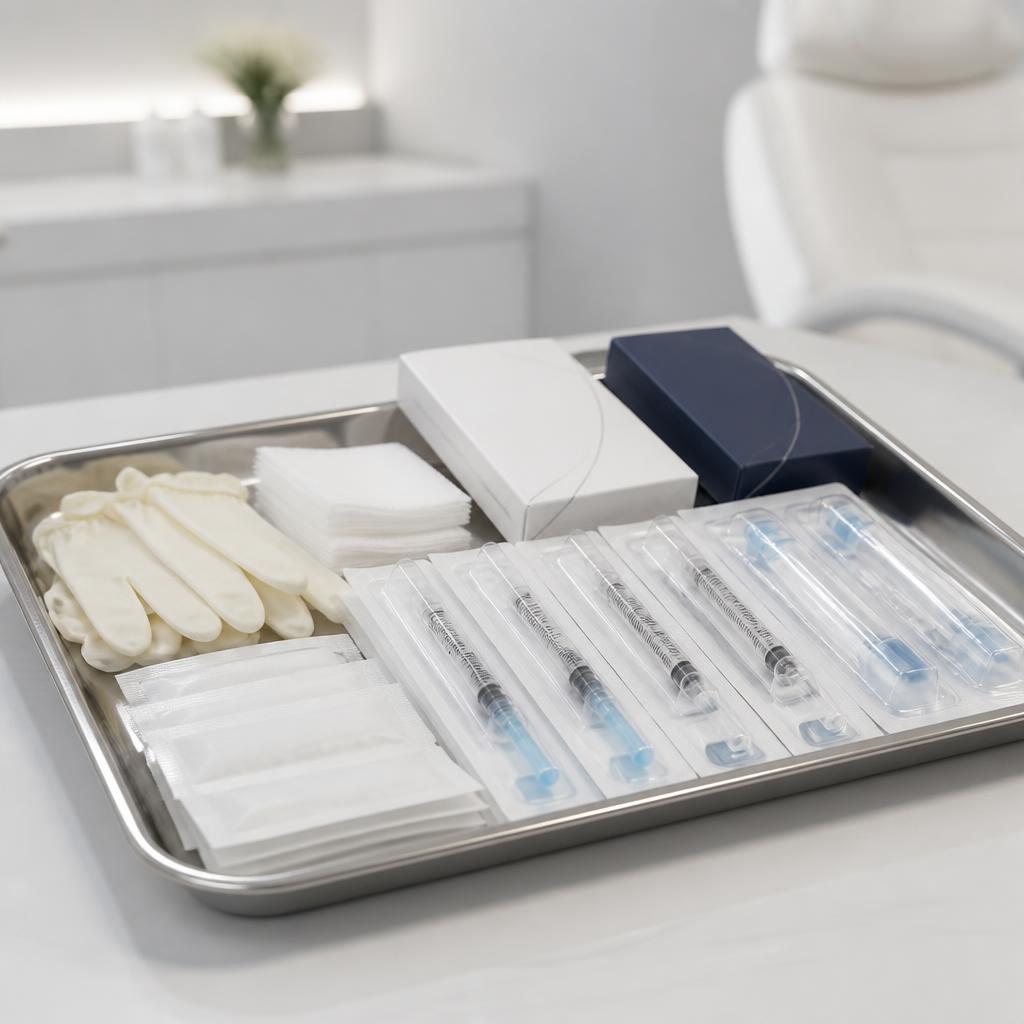
Have you been wondering, “HIV and Cosmetic Procedures: Are Botox and Filler Needles Safe?”?
Short answer
Botox and filler procedures are safe from HIV transmission when performed by a qualified clinician using sterile, single-use needles and properly handled products. The risk comes from a breach in injection safety, not from the cosmetic procedure itself. Ask to see a sealed needle or syringe opened for you, confirm the practitioner’s credentials, and choose a regulated clinic that can manage complications.
Why the context matters
Cosmetic injections can involve multiple punctures and occasional bleeding. A responsible clinic uses a new needle and syringe for every injection and every patient, never reuses leftover product, and cleans the skin with an appropriate antiseptic. Vials and cannulas have specific handling rules. You should not feel pressured to accept a vague answer about sterility. Other risks—vascular occlusion, allergy, infection, or poor product choice—are more immediate cosmetic concerns and require a trained injector.
What to do now
Before treatment, ask who will inject you, what product is being used, whether the package is sealed, and how sharps are discarded. Leave if a needle is already sitting on a tray or a syringe is reused. After treatment, follow written aftercare and seek urgent help for severe pain, pale or dusky skin, vision changes, fever, or swelling that worsens. If a reused needle punctured you, wash the area and document the clinic, product, and time.
Keep the response proportionate
Write down what happened and roughly when, while the details are fresh. Do not try to diagnose HIV from symptoms; many symptoms have many causes, and early HIV may have none. Ask about other STIs, hepatitis, pregnancy, wounds, or treatment needs when relevant. Whole-person care is safer care, and a calm plan is more useful than repeated searching.
Timing, testing, and follow-up
A routine sterile injection does not call for HIV PEP or special testing. A suspected injection-safety breach should be assessed urgently and within 72 hours for PEP consideration. Baseline and follow-up testing are chosen after hearing the details. Ask about hepatitis B vaccination and bacterial infection as well. Do not let embarrassment about a cosmetic procedure delay a medically important conversation.
Common mistakes and myths
A cosmetic procedure is not automatically unsafe, and a polished clinic is not automatically sterile. Ask about a sealed single-use needle, product handling, and sharps disposal. Do not let embarrassment prevent reporting a suspected breach. Cosmetic complications and bacterial infection can be more urgent than HIV and need their own care.
Practical prevention from here
Book only with a qualified, licensed practitioner who discusses product, batch, risks, and aftercare. Watch a sealed needle and syringe being opened, and confirm unused product is not carried between patients. Keep records. If something feels unsafe, leave; asking about sterility is an informed-consent habit, not a challenge to the clinician.
What this means in everyday life
The phrase “botox filler needles hiv risk” can make an ordinary day feel newly dangerous. Try to separate the object or moment from the route HIV needs in order to spread. A bite, mark, stain, shared surface, delayed report, or unfamiliar word may deserve an explanation, but it is not a diagnosis by itself. You can continue with ordinary work, meals, exercise, family contact, or grooming while you arrange the right care. If you are supporting someone else, listen without demanding private details and help them reach a clinician when the situation is genuinely time-sensitive.
A simple plan for the next 24 hours
First, take care of any wound or symptom with gentle first aid. Next, write down the date, the exact contact, the fluid involved, and what you know about a partner, device, salon, clinic, or test. Then choose one reliable next step: call the testing centre, contact an ICTC, speak with Dr. Yuvraj Monga, or seek urgent care if a recent exposure may qualify for PEP. Avoid random antibiotics, harsh cleaning, public posts, and repeated tests without a plan. A short, accurate timeline gives a specialist much more to work with than a long list of frightening search results.
Questions to bring to a consultation
A specialist can help you assess the exposure without criticising the decision to have cosmetic care. Bring receipts, packaging photos, the clinic name, and the time of the injection if available. Consultation is confidential, and the goal is to make the next step clear—whether that is reassurance, wound care, testing, or urgent treatment.
Privacy is part of good care
Before a test or consultation, you can ask how your information will be handled, who will see a report, and how results will reach you. You can choose what to share and ask for an explanation in simple English. A reactive screening result is not the same as a confirmed diagnosis, and a non-reactive result may still need repeat testing when taken inside a window period.
You deserve a calm conversation
There is no prize for carrying uncertainty alone. Dr. Yuvraj Monga offers confidential consultations for HIV, AIDS, STIs, PEP, PrEP, ART, symptoms, and test reports. The consultation fee is Rs. 2,000. The goal is simple: give you a medically responsible answer and a plan you can actually follow.
This article is educational and general in nature. It is not a diagnosis, prescription, or a substitute for an individual consultation. If you have questions about your specific PEP regimen or supplements you're taking, speak with a qualified clinician.