
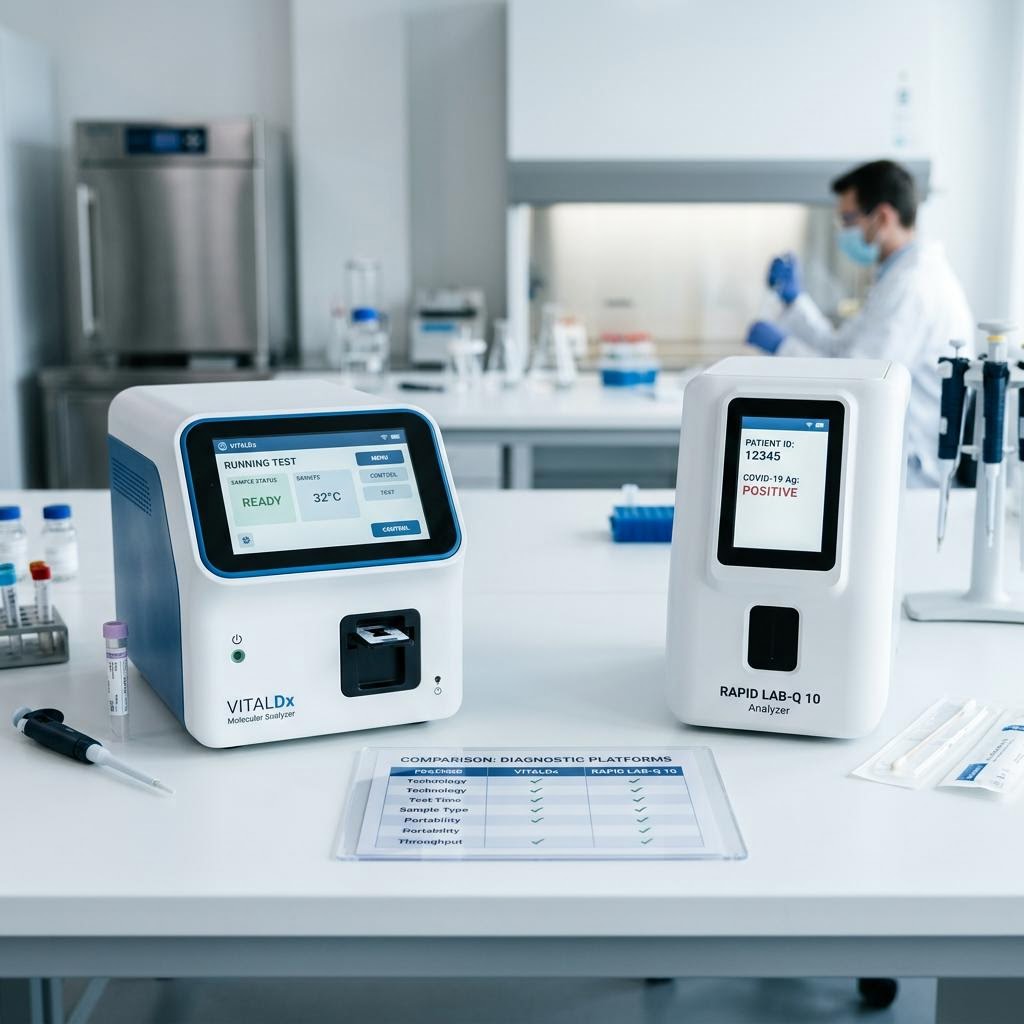
Choosing the Right Test
When you decide to get tested for HIV, you will likely encounter two main options: a standard rapid test (often a finger-prick) or a laboratory-based 4th generation test. Understanding the difference is vital for interpreting your results correctly.
The Rapid Test (3rd Generation)
Rapid tests are highly convenient, offering results in 15-20 minutes. They look strictly for HIV antibodies-the proteins your immune system produces in response to the virus.
The Catch: It takes time for the body to produce these antibodies. The window period for a rapid test is generally 23 to 90 days. If you take a rapid test two weeks after exposure, the result is meaningless.
The 4th Generation Test (Antigen/Antibody)
The 4th generation test is the current gold standard in HIV screening. It requires a blood draw sent to a lab (results usually take a day or two). This test looks for both HIV antibodies and the p24 antigen. The p24 antigen is part of the virus itself and appears much earlier than antibodies.
The Advantage: Because it detects the antigen, this test can identify an HIV infection as early as 18 to 45 days after exposure, significantly cutting down the anxious waiting period.
Which Is More Reliable?
Both tests are incredibly accurate (over 99%) if taken after their respective window periods. However, the 4th generation test is objectively superior for detecting early infections. If you had a recent high-risk encounter and want answers as soon as possible, the 4th generation blood draw is the clear choice.
Confidential Medical Consultation
Don't guess with your health. Dr. Yuvraj Monga provides expert, 100% confidential advice on which testing method is appropriate for your specific timeline. Benefit from 25+ years of specialist experience to get peace of mind.
Connect securely on WhatsApp today for professional testing guidance.